Asa vs Pc Filament: Which One Should You Buy?
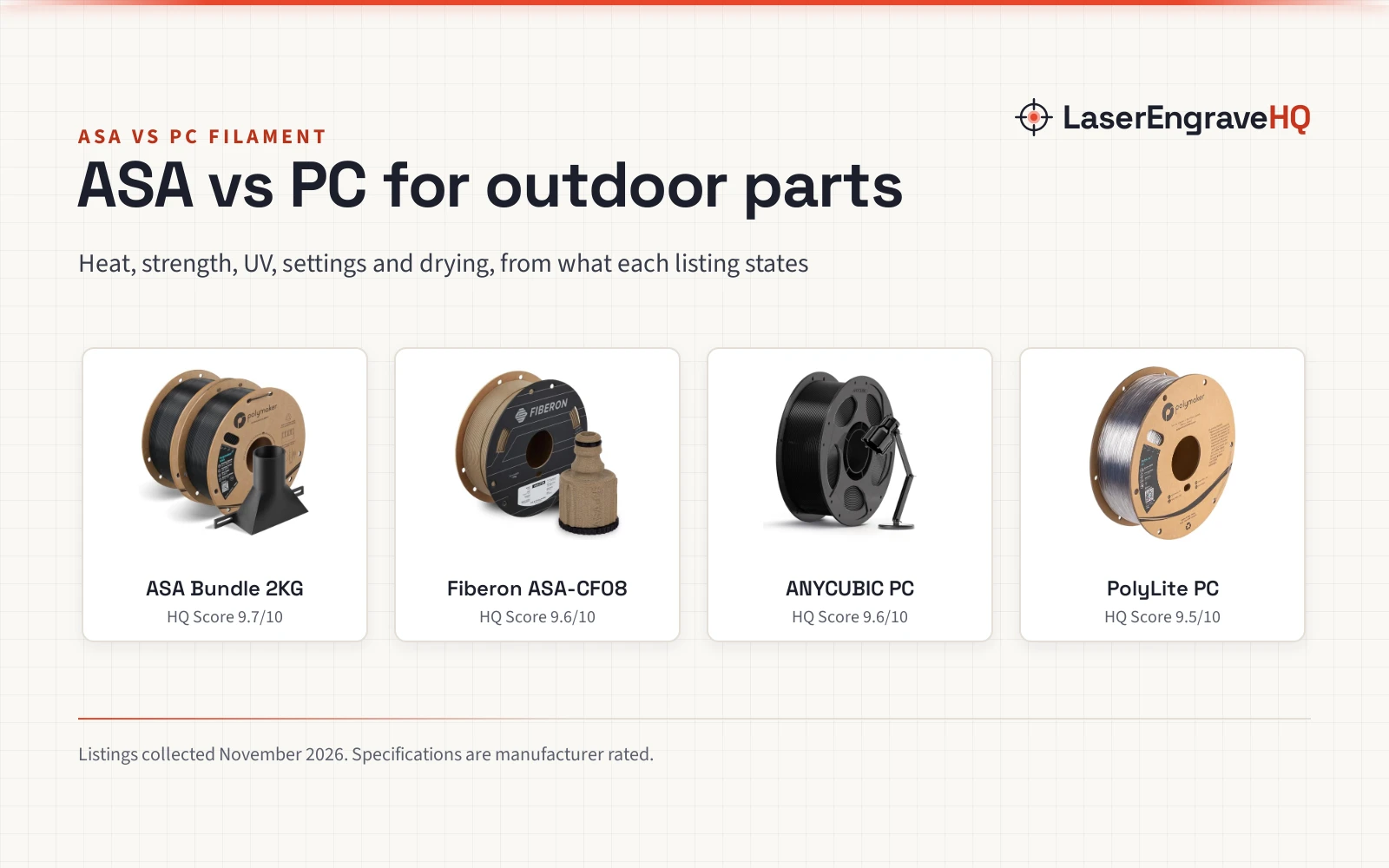
2 ASA and 2 PC filaments compared on heat deflection, strength, UV, print settings and drying, for outdoor housings and high-stress parts.

On this page
Top picks at a glance
As an Amazon Associate I earn from qualifying purchases.
- 1
 Polymaker ASA Filament Bundle 2KG Black*29.7/10View on Amazon
- 2
 Polymaker Fiberon ASA-CF08 Carbon Fiber ASA9.6/10View on Amazon
- 3
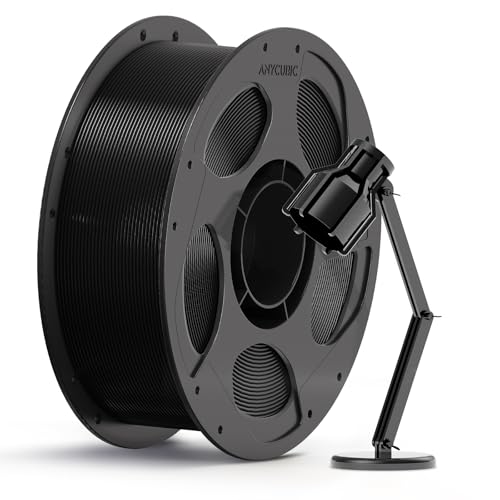 ANYCUBIC PC Filament 1.75mm, 1KG Spool (2.2 lbs)9.6/10View on Amazon
- 4
 Polymaker PolyLite PC Filament 1.75mm 1kg9.5/10View on Amazon
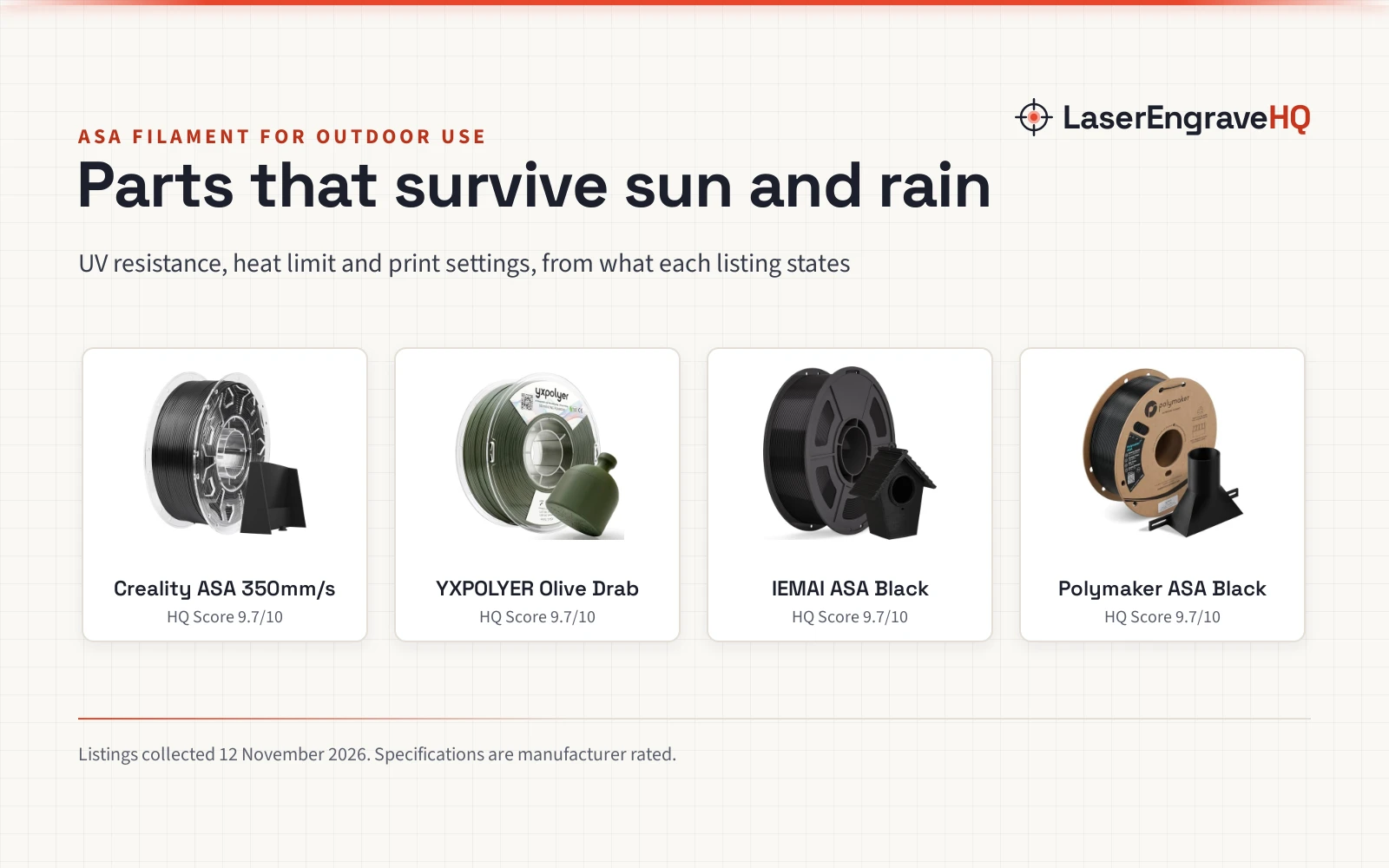
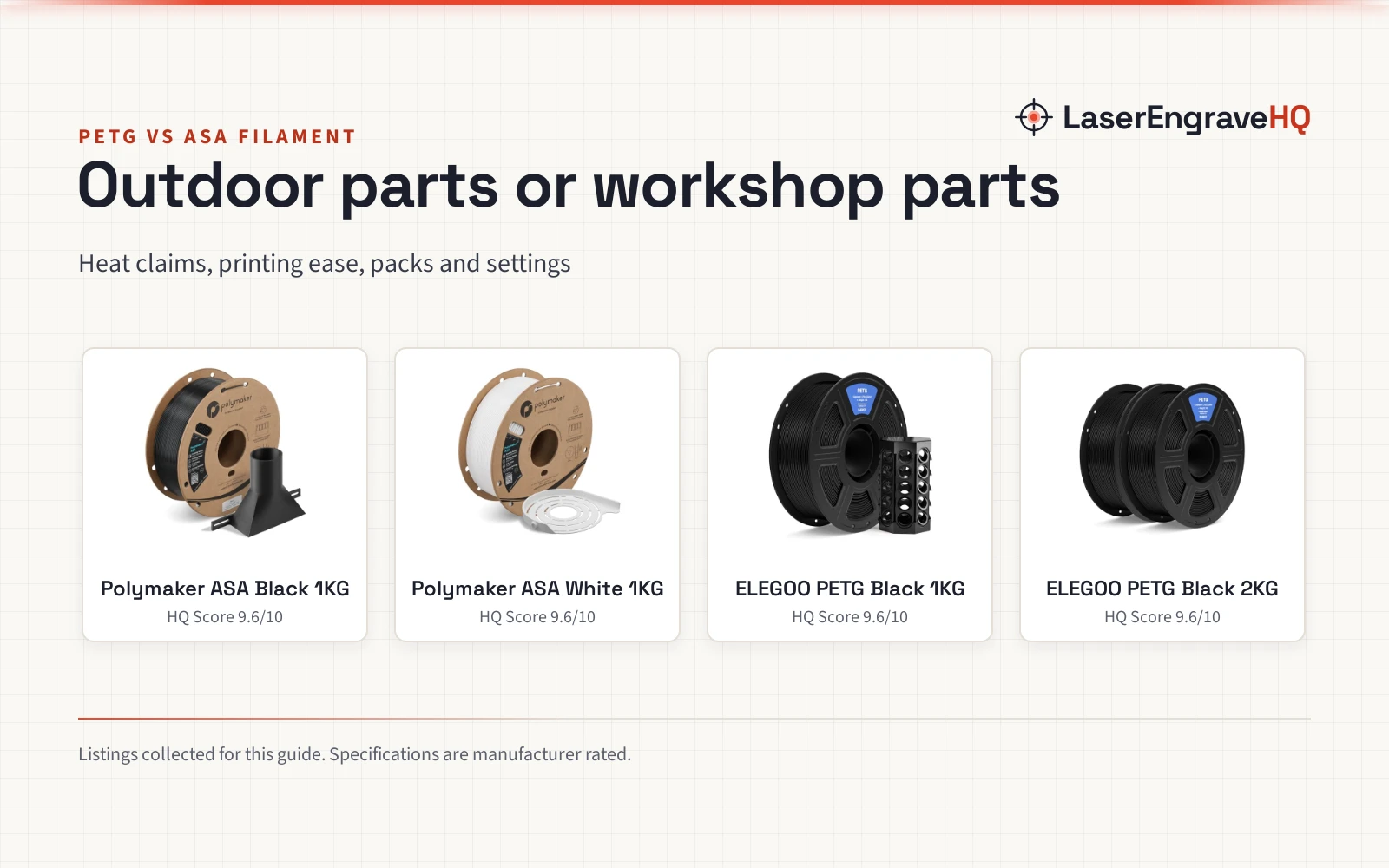
A bracket that lives outside has a short list of demands: sun, rain, heat under a hood or in a garage, and knocks that would crack a display print. Two filaments answer that list, ASA and PC, and both show up here as outdoor, heat-resistant choices. This asa vs pc filament comparison puts two ASA spools against two PC spools and goes through heat, strength, UV, print settings and drying using what each listing states.
LaserEngraveHQ earns a commission from purchases made through these links, at no extra cost to you. Read our affiliate disclosure.
Verdict: Pick ASA for outdoor housings and brackets, where the listings state heat deflection up to 103°C and UV and weather resistance. Pick the ANYCUBIC PC for high-stress parts, where its listing states an impact strength of 42 kJ/㎡. Choose by the part, not the brand.
The picks: asa vs pc filament
Polymaker ASA Filament Bundle 2KG Black*2
A 2 kg ASA bundle in black, 1.75 mm, with heat deflection up to 103°C and print settings stated for outdoor functional parts.
Pros
- Heat deflection up to 103°C at 0.45 MPa, with 100°C at 1.8 MPa and a Vicat of 105°C
- Print settings stated: 240-260°C nozzle, 75-95°C bed, 50-200 mm/s
- 2 kg bundle for repeat work or coordinated project colors
- UV and weather resistant for outdoor functional parts
Cons
- Needs an enclosed printer and good ventilation or filtration
- No tensile, bending or impact figures are stated
- No warranty term is stated
- Drying takes 7 hours at 70°C when needed
Polymaker Fiberon ASA-CF08 Carbon Fiber ASA
A 0.5 kg carbon fiber ASA filament, 1.75 mm, with 8% carbon fiber and stated tensile, bending and heat figures for outdoor housings.
Pros
- TDS figures stated: 43.5 MPa X-Y tensile, 69.1 MPa X-Y bending, 3.61 GPa X-Y modulus
- 8% carbon fiber for rigidity and dimensional stability
- Heat deflection of 103°C at 0.45 MPa
- UV and weather resistant for outdoor housings and brackets
Cons
- 0.5 kg spool, the smallest amount here
- Filament may snap if bent tightly; keep the bending diameter above 60 mm
- Needs a wear-resistant nozzle; enclosed printer recommended
- No warranty term is stated
ANYCUBIC PC Filament 1.75mm, 1KG Spool (2.2 lbs)
A 1 kg polycarbonate filament, 1.75 mm, with a stated impact strength of 42 kJ/㎡ and long-term UV resistance for high-stress parts.
Pros
- Impact strength of 42 kJ/㎡, the only impact figure here
- Long-term UV resistance for outdoor parts, per the listing
- Accuracy of +/- 0.03 mm stated
- Reusable spool with a threaded connection system
Cons
- No heat deflection temperature is stated
- No nozzle or bed temperature is stated
- No drying guidance is stated
- No warranty term is stated
Polymaker PolyLite PC Filament 1.75mm 1kg
A 1 kg transparent polycarbonate filament, 1.75 mm, with light-diffusing properties and minimal shrinkage, per the listing.
Pros
- Transparent with light-diffusing properties, per the listing
- Minimal shrinkage during cooling, per the listing
- Vacuum-sealed with desiccant in a resealable bag
- Very low odor during printing, per the listing
Cons
- No heat deflection, strength or impact figures are stated
- No nozzle or bed temperature is stated
- No drying guidance is stated
- No warranty term is stated
Other machines to compare
 IEMAI 3D Printer FilamentCheck price on Amazon
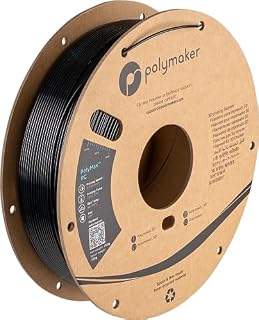 Polymaker Polymax Tough PC Filament 1.75mm 0.75kg BlackCheck price on Amazon
 CC3D Black PC Filament 1.75 mm 3D Printer PolycarbonateCheck price on Amazon
 Polymaker Fiberon ASA-CF08 Carbon Fiber ASA Filament 1.75mmCheck price on Amazon
 iSANMATE ASA-GF 3D Printer FilamentCheck price on Amazon
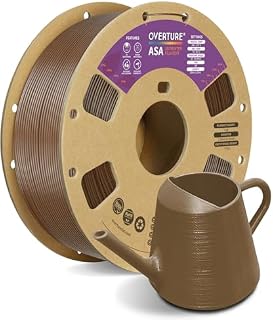 OVERTURE ASA Filament 1.75mmCheck price on Amazon
Side by side
| Spec | ASA Bundle 2KG | Fiberon ASA-CF08 | ANYCUBIC PC | PolyLite PC |
|---|---|---|---|---|
| HQ Score | 61 | 60 | 57 | 55 |
| Diameter | 1.75 mm | 1.75 mm | 1.75 mm | 1.75 mm |
| Spool | 2 kg, 2 rolls | 0.5 kg | 1 kg | 1 kg |
| Heat deflection | 103°C at 0.45 MPa | 103°C at 0.45 MPa | Not stated | Not stated |
| Tensile strength | Not stated | 43.5 MPa X-Y | Not stated | Not stated |
| Bending strength | Not stated | 69.1 MPa X-Y | Not stated | Not stated |
| Impact strength | Not stated | Not stated | 42 kJ/㎡ | Not stated |
| Nozzle temp | 240-260°C | 260-280°C | Not stated | Not stated |
| Bed temp | 75-95°C | 90-100°C | Not stated | Not stated |
| Drying | 70°C for 7 hours | 90°C for 6 hours | Not stated | Not stated |
| UV resistance | UV and weather resistant | UV and weather resistant | Long-term UV resistance | Not stated |
| Warranty | Not stated | Not stated | Not stated | Not stated |
Size and performance figures are the brand’s ratings quoted from listings on 11 November 2026.
Heat deflection and strength
The ASA side states heat figures: the Fiberon ASA-CF08 lists heat deflection of 103°C at 0.45 MPa with 43.5 MPa X-Y tensile and 69.1 MPa X-Y bending strength, and the ASA Bundle lists 103°C at 0.45 MPa and 100°C at 1.8 MPa with a Vicat of 105°C. The PC side states no heat deflection figure, so that comparison stays unclear. The ANYCUBIC PC states the only impact figure here, 42 kJ/㎡.
UV and weather
Both ASA listings state UV and weather resistance for outdoor parts, and the ANYCUBIC PC states long-term UV resistance, so UV cover is stated on both sides. The PolyLite PC states no UV resistance, so its outdoor use is unclear from the listing.
Print settings
The ASA listings state full settings: the Fiberon ASA-CF08 prints at 260-280°C nozzle and 90-100°C bed with the cooling fan off, and the ASA Bundle at 240-260°C nozzle, 75-95°C bed and 50-200 mm/s. Both ASA listings call for an enclosed printer: the Fiberon ASA-CF08 recommends one, and the ASA Bundle requires one with good ventilation or filtration. The PC listings state no nozzle or bed temperatures. See the best large 3D printer enclosure with ventilation for enclosed printing.
Drying and storage
The Fiberon ASA-CF08 asks for storage and printing below 20% relative humidity, with drying at 90°C for 6 hours if the material has absorbed moisture. The ASA Bundle dries at 70°C for 7 hours when needed. The PolyLite PC arrives dried and vacuum-sealed with a desiccant; the ANYCUBIC PC states no drying guidance.
Carbon fiber and transparency
The Fiberon ASA-CF08 mixes 8% carbon fiber into ASA for rigidity, with a matte surface, but the filament may snap if bent tightly, so the listing asks for a bending diameter above 60 mm. The PolyLite PC is transparent with light-diffusing properties, and the ANYCUBIC PC is translucent, for lamp shells and fixtures where light shows through.
Choose ASA if
- You print outdoor housings, brackets or fixtures and want heat deflection and UV resistance stated.
- You want full print settings and drying guidance in the listing.
- You need a rigid, matte carbon fiber filament for tooling and functional prototypes.
Choose PC filament if
- You print high-stress parts and want a stated impact strength of 42 kJ/㎡, per the ANYCUBIC listing.
- You need a transparent or translucent filament for lamp shells and fixtures.
- You want a reusable spool and standard-nozzle printing, per the ANYCUBIC listing.
For more filament options, see 3D printers.
ASA prints best in an enclosed printer with ventilation, per both ASA listings. Dry filament as the listing directs, keep the feed path smooth, and let parts cool naturally.
Project Match
- Outdoor housings and brackets: the ASA Bundle and Fiberon ASA-CF08, both UV and weather resistant, per their listings.
- High-stress gears and drone parts: the ANYCUBIC PC, with a stated impact strength of 42 kJ/㎡.
- Lamp shells and fixtures: the ANYCUBIC PC, translucent, and the PolyLite PC, transparent with light-diffusing properties.
- Rigid tooling and fixtures: the Fiberon ASA-CF08, with 8% carbon fiber for rigidity.
- Garden fixtures and automotive accessories: the ASA Bundle, per its listing.
FAQ: lasers and CNC
Is ASA or PC better for outdoor parts?
Both sides state UV resistance: both ASA listings, and the ANYCUBIC PC with long-term UV resistance. The ASA listings state heat deflection up to 103°C, while the PC listings state no heat deflection figure. Pick ASA for stated heat figures, and the ANYCUBIC PC for its stated impact strength.
What nozzle temperature for ASA filament?
The Fiberon ASA-CF08 lists 260-280°C, and the ASA Bundle lists 240-260°C. The PC listings state no nozzle temperatures, so check the maker guidance for those spools.
Do ASA and PC need an enclosed printer?
Both ASA listings say so: the Fiberon ASA-CF08 recommends an enclosed printer, and the ASA Bundle requires one with good ventilation or filtration. The PC listings do not state an enclosure need.
How do you dry ASA filament?
The Fiberon ASA-CF08 dries at 90°C for 6 hours, and the ASA Bundle dries at 70°C for 7 hours when needed. Store and print the Fiberon ASA-CF08 below 20% relative humidity, per its listing.
Can PC filament print on a standard nozzle?
The ANYCUBIC PC listing says it works with standard nozzles. The Fiberon ASA-CF08, with 8% carbon fiber, needs a wear-resistant nozzle instead, per its listing.
Related: best blue ABS filament, best cream ABS filament, best ABS wood filament, Kapton tape vs painter’s tape for 3D printing, best large 3D printer enclosure with ventilation and the FDM 3D printers hub.