Er vs Tg Collets: Which One Should You Buy?
A practical guide comparing ER and TG collets for CNC machining, covering taper design, gripping force, runout accuracy, and spindle compatibility.

On this page
Top picks at a glance
As an Amazon Associate I earn from qualifying purchases.
- 1
 LUNYEE 40pcs End Mills CNC Router Bits with ER119.5/10View on Amazon
- 2
 findmall 12Pcs ER40 Collets Common Size 1/8"View on Amazon
- 3
 Shimeyao 9 Pcs ER11 Collet Set 1/8'' + 1/4'' with ClampingView on Amazon
- 4
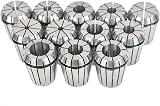 findmall 12 Pcs 1/8"-3/4" ER32 ER-32 Collets Set With 9/16View on Amazon
- 5
 Slab Flattening Router Bit 1/4" ShankView on Amazon
- 6
 FoxAlien 1HP 710W 65mm Diameter Compact Palm Router for CNCView on Amazon
- 7
 10PCS CNC Router Bits Set 1/4 inch ShankView on Amazon
When machining precision aluminum brackets, carved wooden signs, or production metal parts on a CNC mill or router, deciding between er vs tg collets comes down to whether your priority is versatile tool shank range or maximum gripping rigidity. ER collets offer a wide collapse range for drills and versatile nominal clamping for end mills, making them the standard choice across general CNC routing, turning, and industrial milling. TG collets feature a much shallower taper angle and longer contact length, delivering far greater clamping force and rigidity for heavy side-load milling, aggressive metal cutting, and high-torque operations where tool pullout cannot be tolerated.
Other machines to compare
 findmall 12Pcs ER40 Collets Common Size 1/8"Check price on Amazon
 Shimeyao 9 Pcs ER11 Collet Set 1/8'' + 1/4'' with ClampingCheck price on Amazon
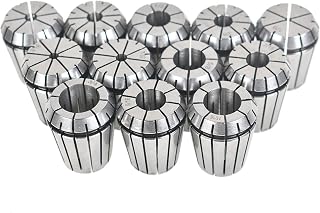 findmall 12 Pcs 1/8"-3/4" ER32 ER-32 Collets Set With 9/16Check price on Amazon
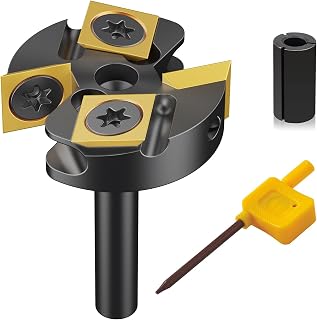 Slab Flattening Router Bit 1/4" ShankCheck price on Amazon
 FoxAlien 1HP 710W 65mm Diameter Compact Palm Router for CNCCheck price on Amazon
 10PCS CNC Router Bits Set 1/4 inch ShankCheck price on Amazon
LaserEngraveHQ earns a commission from purchases made through these links, at no extra cost to you. Read our affiliate disclosure.
Never force an oversized tool shank into any collet. While ER collets provide a collapse range designed for drilling shanks, precision milling with end mills requires matching nominal shank diameters in both ER and TG systems to maintain concentricity and avoid tool deflection.
Step 1: Understand the taper geometry differences
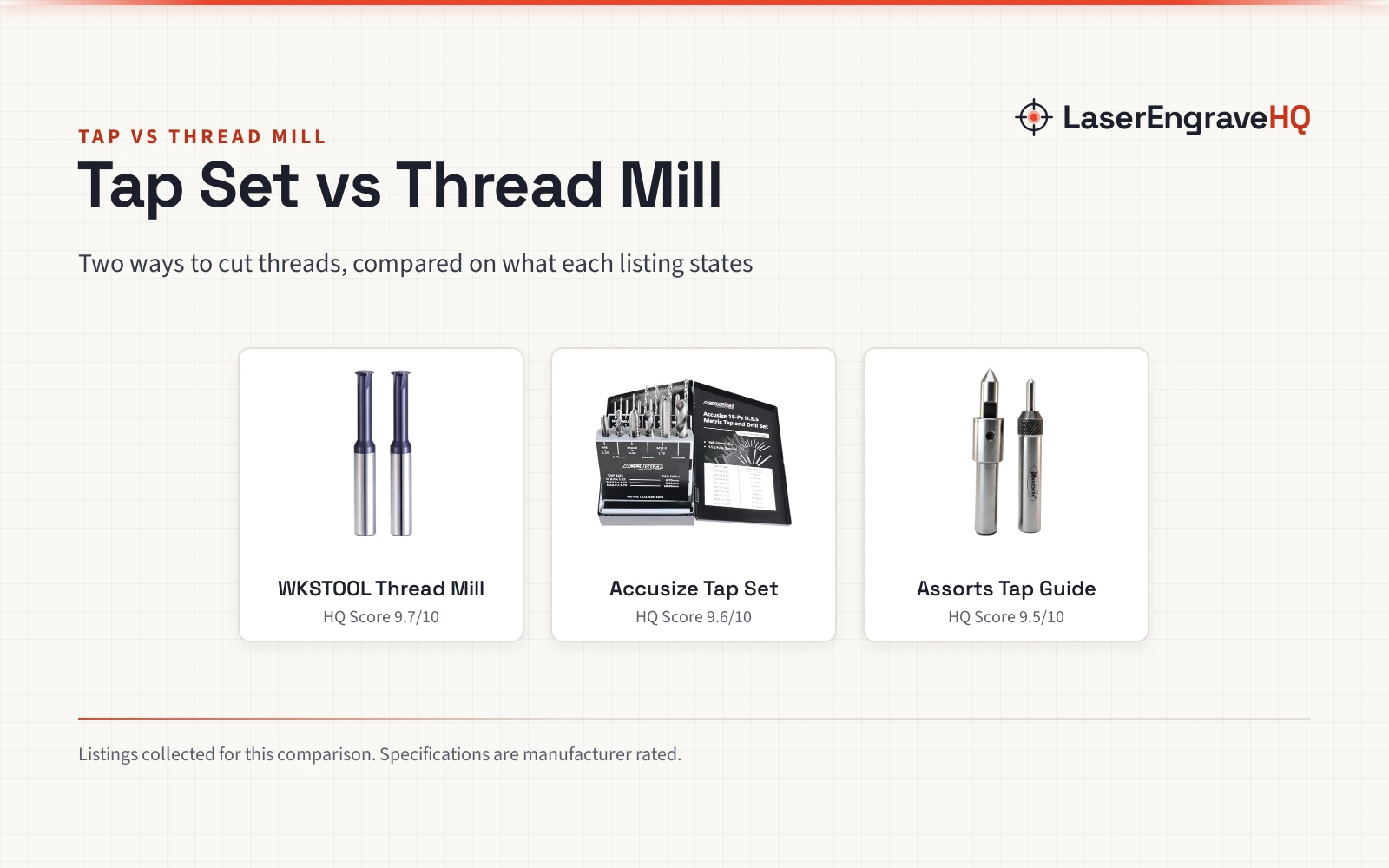
The mechanical difference between ER and TG systems begins with the taper angle machined into the collet body. ER collets use a steeper taper angle that allows a wide collapse range while keeping the chuck body compact. This geometry makes ER chucks relatively short, preserving valuable Z-axis clearance on benchtop CNC routers and smaller milling spindles. Accusize Industrial Tools notes that its ER32 collet nuts comply with ISO 15488:2003(E), using an eccentric extractor ring that snaps into the collet groove to pull the collet free during nut loosening.
TG collets, short for Tremendous Grip, employ a much shallower taper angle and a noticeably longer body. The shallower taper acts as a mechanical wedge, translating axial nut torque into immense radial clamping pressure along the tool shank. Because the collet barrel is longer, the contact area between the collet bore, the tool shank, and the toolholder pocket is substantially larger than what an ER collet provides. This extended contact stabilizes long-reach end mills against deflection during aggressive cuts.
Step 2: Compare gripping force and rigidity
Gripping force dictates how aggressively you can push an end mill before tool deflection or pullout ruins your workpiece. In high-feed operations, upward spiral flutes act like an auger, pulling the cutter downward out of the chuck. If you run aggressive slotting passes in hardwoods or plastics using an upcut vs downcut end mill, holding power is critical to prevent cutter slippage from upward flute pull.
Because of its shallow taper angle and extended gripping surface, a TG collet generates greater mechanical wedge advantage and radial clamping pressure along the tool shank than an equivalent ER collet. Machinists running heavy roughing passes in carbon steel, stainless steel, or titanium rely on TG toolholders to minimize the risk of tool pullout under heavy cutting loads. For standard CNC routing, profiling, and general milling in wood, plastics, aluminum, or steel, ER collets provide dependable holding force with compact toolholder dimensions.
Step 3: Evaluate runout accuracy and concentricity
Total indicator reading, or runout, measures how concentric the rotating tool shank remains relative to the spindle centerline. Excessive runout causes uneven chip loads on individual end mill flutes, leading to premature cutter wear, poor surface finishes, and broken micro-tooling. Collet cleanliness, precision grinding, and proper assembly determine runout performance for both systems.
Quality collet manufacturers grind both ER and TG tapers to demanding tolerances. For example, Accusize Industrial Tools lists an R8 shank ER32 collet chuck rated for spindle speeds up to 8000 RPM on manual milling spindles, with a maximum total indicator reading of 0.0002 inches from outside diameter to inside diameter. Another manufacturer, uxcell, lists an ER32 collet machined from 40Cr steel with a stated precision of 0.015mm (0.0006 inches). While both systems achieve tight tolerances when clean and properly torqued, the longer barrel of a TG collet can provide superior alignment stability on deep-reach milling setups.
Step 4: Check tool shank capacity and collapse range
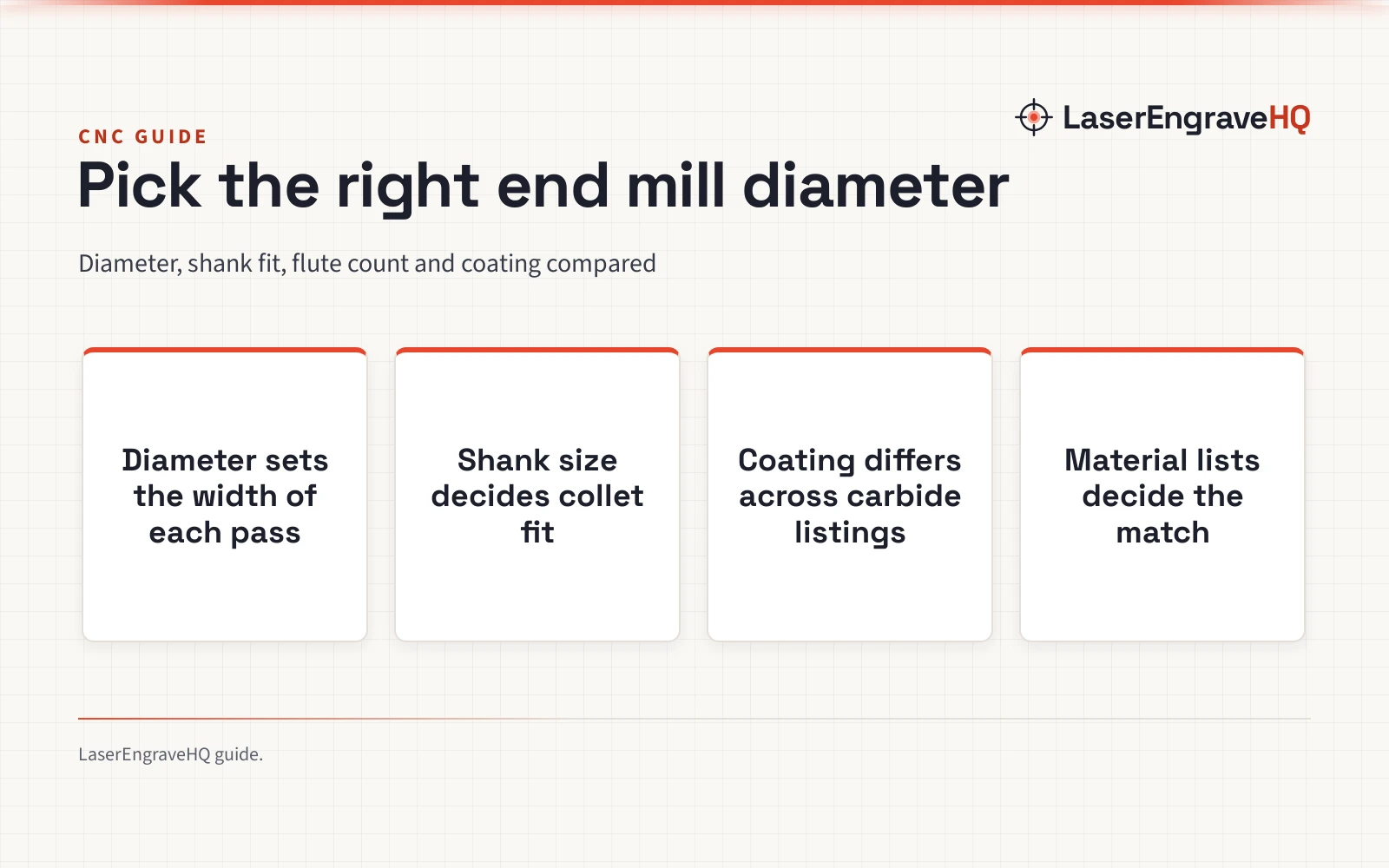
One major operational advantage of the ER design is its wide collapse range. An ER collet can compress to clamp tool shanks slightly smaller than its nominal bore size. For example, SILIVN provides a 14-piece ER20 collet set with sizes from 1/16 inch to 1/2 inch, and a 26-piece ER32 collet set spanning fractional increments from 1/32 inch to 13/16 inch. A Genmitsu 15-piece ER11 set covers shanks from 1.0mm to 7.0mm, along with 1/8 inch and 1/4 inch shanks, with a stated accuracy of 0.02mm (0.0008 inches). This collapse flexibility allows a shop to clamp odd-sized drill bits, reamers, and intermediate shank diameters with fewer individual collets, although precision end mills should still match nominal bore sizes for maximum rigidity.
In contrast, TG collets feature a very narrow collapse range. A TG collet must be matched closely to the specific nominal shank diameter of your cutter. Attempting to clamp an off-size shank in a TG collet risks uneven contact, poor concentricity, and cracked collet segments. A workshop choosing TG tooling must maintain a dedicated collet for each exact shank size used on the machine.
Step 5: Match collet systems to machine spindles
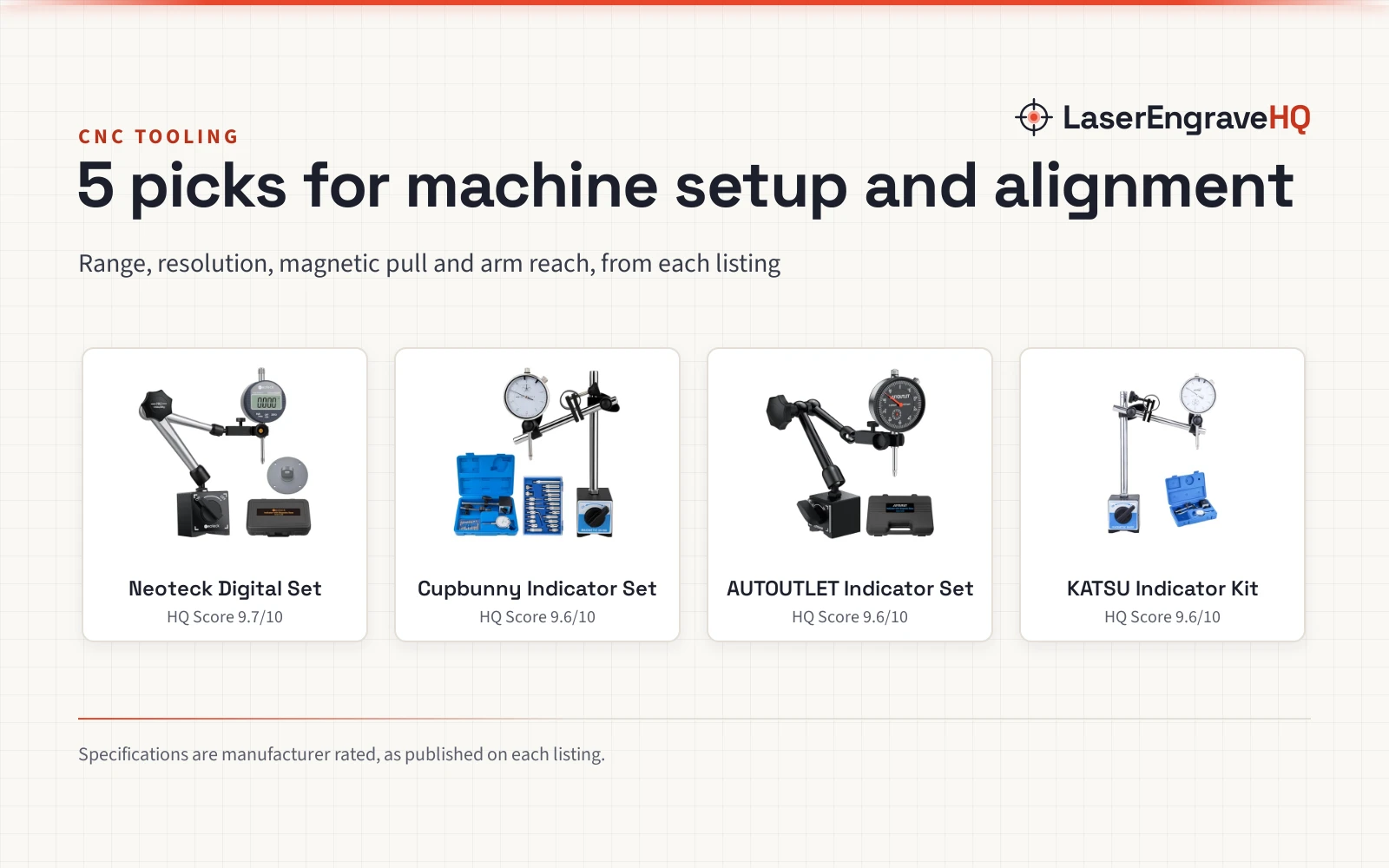
Before investing in tooling, verify what collet style your spindle or machine taper accepts. Collet tapers are not interchangeable: an ER collet will not seat into a TG pocket, and a TG collet will not fit an ER nut or chuck. Many desktop CNC routers and high-frequency spindle motors feature an integrated ER taper machined directly into the spindle shaft, most commonly ER11, ER16, or ER20. On these machines, you cannot use TG collets without switching to a different spindle.
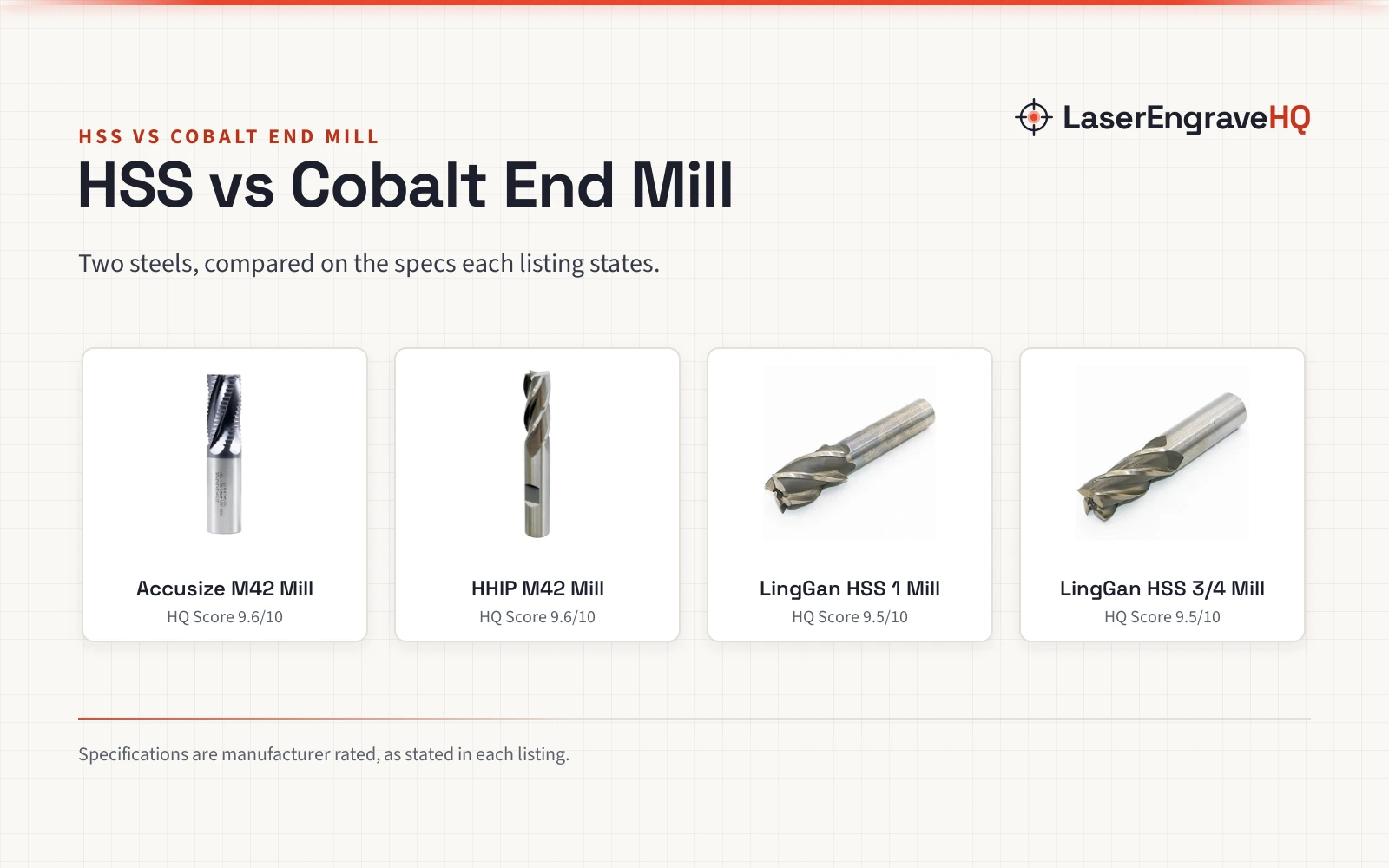
On larger milling machines and CNC machining centers, toolholders mount into the spindle via standardized machine tapers. For example, findmall lists ER40 collets with capacities up to 1-1/8 inches that mount into R8, CAT40, and BT40 chuck holders. On these modular machines, operators can purchase either ER or TG chuck holders. If you are setting up tooling for roughing operations, pairing a TG chuck with rigid milling bits provides outstanding performance, whereas choosing ER holders gives you broad flexibility across drill bits and general end mills. Explore our recommendations in the best CNC bit set for beginners to see common shank configurations.
Step 6: Select the right tooling for your cutting jobs
Deciding between ER and TG comes down to the materials you cut and the cutting forces your jobs generate. If your workshop handles diverse jobs ranging from sign carving and cabinet panels to general metal milling and drilling, an ER system is the practical choice. It accommodates standard 1/8 inch, 1/4 inch, and 1/2 inch bits easily, while keeping setup times fast and replacement costs low. You can review profiles and geometry options in our guide to CNC router bit types.
When your production involves aggressive metal removal, deep slotting in alloy steel, or high-feed profiling where tool deflection causes chatter, TG collets are well worth the investment. The extended taper contact resists bending forces, helping your end mills maintain clean wall finishes and consistent chip loads. When cutting demanding stock, match your collets with cutters from our end mill for metal guide or best end mill for aluminum picks, and consult CNC feeds and speeds for beginners to optimize feed rates.
Common mistakes to avoid
- Tightening a collet nut without an end mill or shank inserted, which can permanently deform the spring segments.
- Attempting to force an oversized tool shank into a collet bore, which permanently distorts the spring slots and ruins concentricity.
- Forgetting to snap an ER collet into the eccentric nut ring before threading the assembly onto the chuck holder.
- Allowing chips and coolant residue to collect inside the spindle taper, degrading runout precision. See our CNC router maintenance guide for cleaning routines.
- Over-torquing the collet nut beyond recommended values, which induces runout and stresses the collet threads.
Er vs tg collets: the short version
- Choose ER collets for versatile CNC routing, drilling, and general milling across diverse tool shank sizes.
- Choose TG collets for heavy metal milling, aggressive roughing, and operations requiring maximum rigidity and grip.
- Never mix components: ER and TG tapers, nuts, and toolholder pockets are completely distinct and incompatible.
- Always inspect and wipe clean the collet bore, spindle taper, and cutter shank before each assembly.
- Match cutter shanks precisely to nominal collet openings, especially when using narrow-range TG tooling.
- Tighten collet nuts with a proper spanner wrench to ensure repeatable concentricity and avoid tool slippage.
FAQ: lasers and CNC
What is an ER collet?
An ER collet is a slotted spring steel collet featuring a steep external taper and an eccentric extractor groove. Developed as an extended range system, it compresses across a wider shank diameter range than traditional collets, making it the most popular toolholding standard for CNC routers, lathes, and milling machines.
What is an ER collet chuck?
An ER collet chuck is a toolholder body machined with an internal taper that matches a specific ER collet size, such as ER11, ER20, or ER32. The chuck threads onto a clamping nut that draws the collet into the taper pocket, securing the cutting tool shank concentric to the spindle centerline.
What is a collet set?
A collet set is a boxed collection of collets covering a range of incremental shank diameters, such as fractional sizes from 1/8 inch to 1/2 inch or metric sizes from 1mm to 7mm. Having a complete set ensures your CNC workshop can hold drills, end mills, and specialty bits without stopping production to source tooling.
Can you use an ER collet in a TG holder?
No. ER and TG collets feature completely different taper angles, body lengths, and nut threading. Attempting to seat an ER collet into a TG holder will ruin both components and produce dangerous runout.
Which collet system provides better gripping force?
The TG system provides superior gripping force and rigidity due to its shallow taper angle and extended contact surface. The shallow taper angle acts as a powerful mechanical wedge, generating higher radial clamping pressure along the tool shank to resist tool pullout during heavy roughing.
When should a CNC shop choose TG over ER?
A shop should choose TG tooling when performing heavy production milling in tough metals, deep profiling with long-reach end mills, or high-feed cuts where side-load deflection and cutter pullout are primary concerns.
Related: the CNC tooling guide, best CNC bit set for beginners and best CNC router bits. Also see our CNC router bit types. Also see our upcut vs downcut end mill guide.