CNC Router Projects That Sell: What to Make, How to Price, and Where to Start
A practical guide to CNC router projects that sell: choose high-demand wooden goods, select dependable tooling, batch your toolpaths, and price for real shop hours.

On this page
Top picks at a glance
As an Amazon Associate I earn from qualifying purchases.
- 1
 SpeTool Carbide Single Flute CNC Router Bits 1/8" Cutting9.7/10View on Amazon
- 2
 SainSmart Genmitsu 3020-PRO Ultra CNC Router Machine9.7/10View on Amazon
- 3
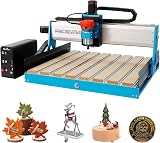 6050 CNC Router Machine9.6/10View on Amazon
CNC router projects that sell come down to structured moves: pick focused functional items where carving adds real value, set up a rigid machine with proper chip extraction, establish safe shop practices, organize your local paperwork, and master batch production before expanding. The sections below walk through each step in order, highlighting the workflow bottlenecks that slow down new makers.
LaserEngraveHQ earns a commission from purchases made through these links, at no extra cost to you. Read our affiliate disclosure.
We do not have verified income data for CNC router workshops, so this guide gives no earnings figures. Treat any single number you see online as a story, not a benchmark, and build your own from your material costs and shop hours.
Step 1: Pick high-demand project categories
New woodworkers often start with the mindset of carving anything for anybody, which forces them to compete against factory goods on price alone. Choosing a focused category makes your workshop easier to organize, your blanks faster to source, and your listings simpler to market. Functional wooden wares consistently attract steadier demand than novelty trinkets because customers purchase them as durable home additions, wedding presents, and personalized gifts.
The most dependable project categories center on everyday utility where computer-controlled carving adds clear value. Custom dimensional signs and family name plaques lead consumer demand, combining clean pocketing with raised lettering. Dished catchall trays and valet organizers turn hardwood scrap into premium desk accessories. Hardwood cutting boards and charcuterie platters featuring carved juice channels and recessed handles remain seasonal favorites. Layered relief maps, decorative wall art, and customized nursery name blocks also command strong interest. If you want to explore what your equipment can produce, our guide on what you can make with a CNC router outlines additional workshop possibilities.
Material selection determines your finished quality and customer satisfaction. Dense domestic hardwoods such as black walnut, hard maple, and cherry yield crisp carved edges without splintering or fuzzy grain. Softwoods and budget construction lumber tend to tear out under router bits, leading to excessive sanding. For a thorough comparison of stable carving stock, consult our guide to the best wood for CNC machine projects before stocking up on lumber blanks.
Step 2: Match the machine to your product line
You do not need a full industrial machining center to build a profitable craft business. You need a platform that maintains mechanical rigidity and repeats your toolpaths accurately. Desktop routers handle smaller items like valet trays, desk signs, and personalized gifts with ease. Larger gantry machines accommodate oversized business signage, furniture components, and multi-piece production runs. In our budget desktop CNC router guide, we review accessible machines that deliver the structural stability required for hardwood cutting.
When selecting equipment, look closely at frame construction, drive mechanisms, and spindle capability. Rigid aluminum extrusions or steel plates prevent gantry flex and chatter during heavy pocketing cuts. Lead screws or ball screws offer superior positioning repeatability compared to rubber belts that stretch over time. An adequate spindle or trim router motor ensures the cutter maintains rotational momentum through dense hardwoods without stalling or burning the grain.
Tooling choices directly influence your production pace and edge finish. Downcut spiral end mills push wood chips downward to leave a clean top surface without frayed edges on signs and trays. Upcut spiral bits pull chips upward out of deep mortises and pocket channels to prevent heat buildup. Dedicated V-groove bits create sharp chamfers, decorative borders, and intricate serif typography. To understand cutter geometries and flute styles, review our guide to CNC router bits for cutting wood before cutting production stock.
Step 3: Set up a clean and safe carving area
Workshop safety and environmental controls protect your health and keep your machinery operating reliably. A spinning router cutter generates airborne wood dust and mechanical noise that require immediate management before fulfilling customer orders. Plan these workshop essentials before running your initial toolpath:
- Dust extraction: capture chips at the cutter using a dedicated collector shoe connected to an active workshop collector. Fine hardwood dust is an airborne respiratory irritant and settles on linear rails, causing premature bearing wear. See our guide to the dust collector shoe for CNC router setups for effective options.
- Workholding security: clamp material firmly to your spoilboard so stock cannot shift, lift, or vibrate loose under cutting forces. A loose blank ruins expensive hardwood and can break spinning carbide cutters. Review our recommended best CNC hold down clamps to secure your blanks safely.
- Hearing and eye protection: wear impact-resistant safety glasses and hearing protection during machine operation. Router motors and dust collectors running in tandem generate continuous high decibel levels.
- Fire awareness: keep an appropriate fire extinguisher mounted beside your workshop exit. Dull tooling or stalled axes can generate friction heat against dry timber. Never leave an active carving job unattended.
Step 4: Handle workshop paperwork and tax basics
Operating a woodcraft business requires handling regulatory fundamentals before opening your doors to paying clients. Local compliance requirements vary by municipality and state, so consult your city clerk or regional business assistance office rather than making assumptions. Standard prerequisites include registering your business name, obtaining an employer identification number, and acquiring a local general business permit.
Most jurisdictions require physical goods businesses to collect and remit state and municipal sales tax. Setting up automated tax collection on craft platforms simplifies quarterly reporting. Establish dedicated business checking and credit accounts immediately to keep enterprise transactions separate from household finances. Maintain organized digital receipts for tooling purchases, lumber invoices, packaging materials, and machine maintenance to ensure transparent bookkeeping.
Step 5: Build a focused catalog and launch sample items
Avoid the temptation to list dozens of unrefined designs. Launching a streamlined catalog of several polished products allows you to perfect your toolpaths and standardize blank dimensions. Focus on items that share similar lumber thicknesses and setup configurations so you can switch between jobs without altering your machine coordinate origins.
Design master CAD and CAM project templates with designated text layers for customer personalization. When a client requests a custom family name or wedding date, you simply update the vector layer, recalculate the carving toolpath, and send the file to your machine controller. Learn more about selecting appropriate bit profiles for lettering in our overview of CNC router bit types. Take high-resolution photographs showcasing the grain, depth of carving, and functional utility in natural lighting to make your listings stand out.
Step 6: Price for the work you actually do
Many novice makers calculate prices by looking at retail blanks and guessing at margins, leaving themselves unpaid for extensive shop hours. A sustainable pricing formula must capture every element of the production cycle: raw lumber costs, cutter depreciation, machine run time, electricity, packaging cartons, platform transaction fees, and shipping expenses.
Manual post-processing frequently consumes more time than the actual automated carving cycle. Removing holding tabs, sanding through progressively finer abrasive grits, popping the wood grain with moisture, and applying coats of natural oil or outdoor finish require steady bench labor. Track your exact minutes spent on each phase across your initial customer batches to ensure your retail prices yield a healthy hourly return.
Step 7: Find your first customers
Early sales momentum often begins within your immediate community. Connect with local real estate agents who require personalized closing gifts for home buyers, such as custom address plaques or engraved hardwood cutting boards. Reach out to regional cafes, boutique shops, and wedding planners who purchase custom wooden signage, table markers, and promotional display boards.
Online marketplaces offer broad reach for personalized home goods when listings feature crisp photography, detailed material specifications, and clear delivery timelines. Package completed items securely with protective wrap to prevent shipping damage. Include a professional care card explaining how to maintain the wood finish, and follow up promptly with buyers to request product reviews and user photos for your portfolio.
Common mistakes to avoid
- Purchasing oversized machinery before establishing clear customer demand for specific items.
- Spreading workshop effort across too many unrelated products instead of mastering batch production.
- Neglecting dust extraction until airborne wood debris covers workshop surfaces and gums up guide rails.
- Failing to include manual sanding, grain finishing, and packaging time in retail calculations.
- Using worn or incorrect cutter profiles that generate tearout across delicate grain lines.
- Relying on weak workholding that allows stock to shift during aggressive pocketing routines.
CNC router projects that sell: the short version
- Select a focused category of functional, high-value wooden goods.
- Choose a rigid CNC machine with dependable drive systems and quality tooling.
- Install efficient dust collection, secure hold-down clamping, and safety gear.
- Register your business name and organize separate financial accounts.
- Develop master vector templates and capture clear product photographs.
- Price items by accounting for raw stock, cutter wear, and bench finishing time.
- Engage local professional networks and launch detailed online listings.
Everything that follows is systematic refinement: optimize your CAM toolpaths, eliminate manual sanding bottlenecks, and expand your catalog one proven design at a time.
FAQ: lasers and CNC
What CNC router projects sell best on craft platforms?
Functional items with custom personalization consistently generate dependable sales. Personalized family name signs, engraved address plaques, hardwood cutting boards with juice grooves, and dished valet trays remain top performers because customers purchase them as memorable gifts and durable home decor.
Which wood species work best for profitable CNC items?
Domestic hardwoods such as black walnut, hard maple, cherry, and white oak offer the cleanest carving performance with minimal edge tearout. Their dense grain structure holds crisp V-groove lettering and finishes smoothly with penetrating oils or protective lacquers.
Can a desktop CNC machine handle commercial production?
A rigid desktop router easily handles small batch production for personalized trays, wall plaques, and home accessories. As order volume increases, makers often add larger machines to carve multiple blanks simultaneously and reduce overall setup cycles.
How do I calculate prices for custom CNC wood projects?
Calculate your retail price by combining raw lumber costs, cutter bit depreciation, machine run time, manual sanding and finishing labor, packaging supplies, and marketplace transaction fees. Tracking your actual bench time across initial production runs ensures sustainable margins.
Do I need advanced digital design skills before selling?
You only need foundational vector layout and basic toolpath generation skills to produce popular wooden items. Mastering standard pocketing, profile cutouts, and V-carving routines allows you to produce high-demand goods while expanding your CAD abilities over time.
What tooling is essential for carving wooden goods?
A versatile starter collection includes downcut spiral end mills for clean top edges, upcut end mills for efficient chip clearing in deep pockets, ball nose bits for contoured relief carving, and dedicated V-groove cutters for sharp dimensional lettering.
Related: the CNC router hub, our overview of the desktop CNC machine for beginners, and our guide to the best desktop CNC for beginners. Also see our guides on what you can make with a CNC router and CNC router projects for beginners.