Embroidery Machine Maintenance: Cleaning and Oiling Basics
A simple cleaning routine for embroidery machines: brush out lint, pull stuck threads, trim close to the work, and keep the right tools at hand.

On this page
Top picks at a glance
As an Amazon Associate I earn from qualifying purchases.
- 1
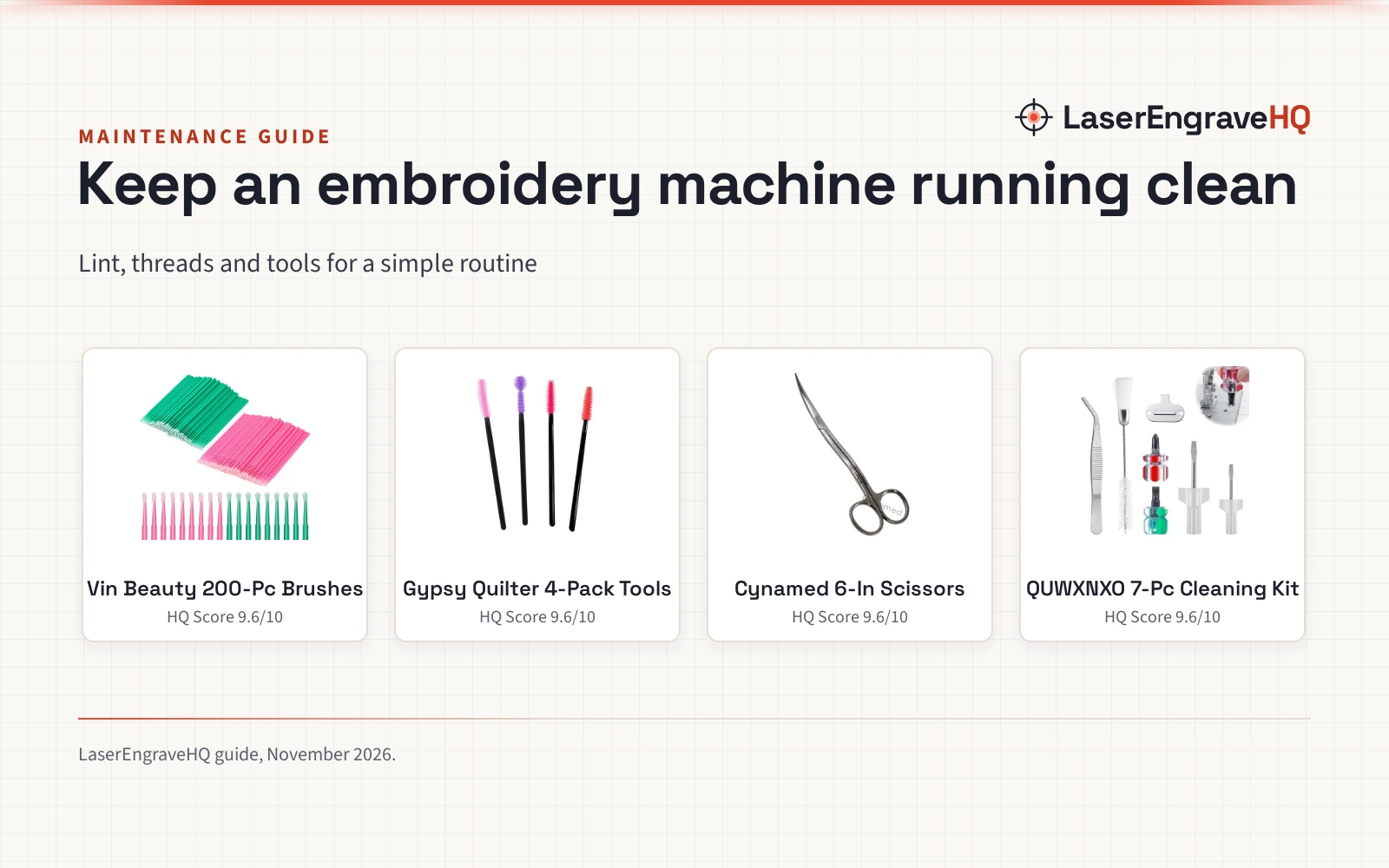
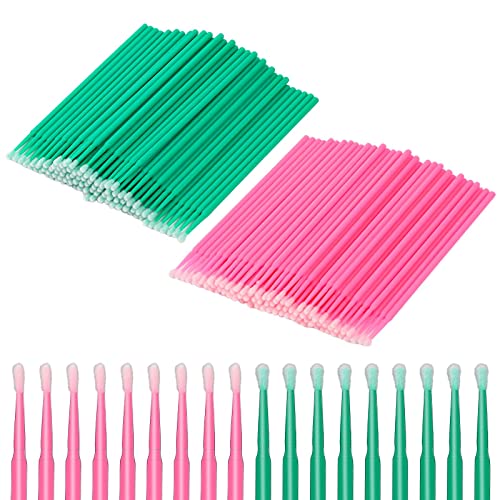 200 Pcs Sewing Machine Cleaning Brushes Tool Kit9.6/10View on Amazon
- 2
 Every Nook and Cranny Cleaning Tools, 4 pack9.6/10View on Amazon
- 3
 1 EA Professional Large Double-Curved Machine9.6/10View on Amazon
- 4
 7 Pcs Sewing Machine Cleaning Kit,Sewing Machine9.6/10View on Amazon
Embroidery machine maintenance comes down to a short routine: brush lint out of the tight spots, pull out stuck threads, trim stray threads close to the work, and keep the cleaning tools in one place so the routine actually happens. Lint and loose thread build up wherever fabric passes through the machine, and the stitches show the buildup before anything else does. The steps below use simple hand tools, and the gear section lists the tools that cover each step.
LaserEngraveHQ earns a commission from purchases made through these links, at no extra cost to you. Read our affiliate disclosure.
None of the listings in this guide states a cleaning schedule or an oiling interval, so this guide gives no timetable. Clean when lint and thread build up, and follow the manual that came with the machine for oiling points and oil type.
200 Pcs Sewing Machine Cleaning Brushes Tool Kit
A 200-piece set of disposable pointed cleaning swabs, 3.74 in long, with cotton tips on bendable PVC sticks, in pink and green.
Pros
- 200 pieces in the box, 100 pink and 100 green, so spares stay on hand
- Pointed tips reach the narrow crevices of the machine
- 3.74 in long and 0.12 in across, sized for tight spots
- Bendable sticks flex into angled spots and resist breaking, per the maker
Cons
- Disposable, so each swab is single-use and the box runs down with heavy use
- No brush, tweezers or screwdriver in the box for stuck threads or screws
- The maker says to wet the felt tip with water before use for a better clean on dirty crevices
- Small tips suit narrow spots, so a wide area takes many swabs
Every Nook and Cranny Cleaning Tools, 4 pack
A reusable 4-piece set of silicone-bristle cleaning tools with plastic handles, each 4-1/8 in long, for dust and lint in tight spots.
Pros
- Silicone bristles are soft yet effective on dust and lint, per the maker
- 4 tools with varied tips reach different tight spots
- Reusable: wash in mild soapy water and air dry
- Each tool is 4-1/8 in long with 1 in of bristles for reach into small areas
Cons
- No tweezers or scissors in the pack for threads that need cutting or pulling
- Bristles suit dust and lint, not oil residue or stuck thread
- No screwdriver in the pack for covers or plates
- Only 4 tools, with no spare set for a second machine
1 EA Professional Large Double-Curved Machine
A 6 in double-curved embroidery scissor in stainless steel, shaped to reach over a hoop edge and cut threads close to the work.
Pros
- Double-curved frame reaches over the edge of an embroidery hoop
- Blades curve down to cut threads close to the fabric
- Stainless steel build
- 6 in size suits machine embroidery and hoop work
Cons
- A single scissor: no brush or tweezers in the box
- Curved blades suit close thread trimming, not general fabric cutting
- One piece only, so there is no spare in the box
- The curved frame takes practice to hold for a sewer used to straight scissors
7 Pcs Sewing Machine Cleaning Kit,Sewing Machine
A 7-piece sewing machine cleaning kit with curved-nose tweezers, a double-ended brush, a needle plate screwdriver and 4 screwdrivers.
Pros
- 7 pieces cover brushing, thread removal and screwdriver work in one kit
- Curved-nose tweezers pull stuck threads from narrow areas
- Double-ended brush has two hardness levels for different parts
- Needle plate screwdriver plus 4 screwdrivers suit covers and plates
Cons
- No scissors in the kit for trimming threads close to the work
- Short screwdrivers suit small screws, not deep or large fasteners
- No storage case in the box, so the 7 pieces need a home of their own
- Made for daily cleaning and light repair, not a full machine service
Embroidery machine maintenance in plain terms
An embroidery machine sheds fibers every time it sews. Thread leaves short ends behind, fabric leaves lint, and both settle into the narrow spaces around the needle and the bobbin area. Left alone, that buildup drags on the thread path and shows up as uneven stitches. The routine covers sweeping the lint out, pulling the threads that catch, and trimming the ends that stick out. The embroidery machine parts guide names the areas the tools below reach, and the maintenance of sewing machine guide covers the same cleaning and oiling basics for standard machines.
Step 1: Brush lint out of the tight spots
Start with a brush, because lint sits in places fingers cannot reach. The pointed swabs in the Vin Beauty set reach narrow crevices, and the maker says to wet the felt tip with water before use for a better clean on dirty crevices. The Gypsy Quilter tools (on Amazon) use silicone bristles that stay soft while lifting dust and lint, and the variety of tips in the pack suits different tight spots. Work from the narrow spots outward toward the open areas so lint comes out instead of moving deeper. The best sewing machine cleaning brush guide compares more brushes for lint-free machines.
Step 2: Pull out stuck threads with tweezers
Some threads wind around parts of the machine and will not brush out. The curved-nose tweezers in the QUWXNXO kit (on Amazon) reach into narrow areas and pull out threads that block the machine, and the long handle gives a comfortable grip. Pull gently and straight out, so the thread comes free without catching on nearby parts. A sewing machine repair kit covers the same kind of stuck-thread and small-repair work.
Step 3: Trim stray threads close to the work
Loose thread ends belong off the fabric, and a curved scissor cuts them close without lifting the work. The Cynamed scissor (on Amazon) has a frame that curves up to reach over the edge of the embroidery hoop, while the blades curve down to cut threads closely. The shape keeps the hand clear of the hoop while the blades stay near the fabric. The best embroidery scissors and seam ripper guide lists more curved options for applique and embroidery.
Step 4: Open the needle plate for a deeper clean
When lint collects under the needle plate, a brush alone cannot reach it. The QUWXNXO kit includes a needle plate screwdriver and 4 screwdrivers for the small screws that hold covers and plates in place. Loosen the screws, lift the plate, brush the lint out, and put the plate and screws back before sewing again. Keep the screws together while the plate is off so none goes missing.
Step 5: A note on oiling
Oiling is part of the title of this guide, and it deserves a straight answer: none of the four tools in the gear section includes oil, and none of the listings names an oil type or an oiling point. Use only the oil type and the oiling points the manual that came with the machine names, and oil a clean machine, so the oil does not trap lint. The best sewing machine oil guide compares oils, and the best sewing machine oil and lint brush kit guide lists kits that pair oil with brushes.
The gear for embroidery machine maintenance
Each step above needs a tool that fits the spot: a brush for lint, tweezers for stuck thread, curved scissors for close trimming, and screwdrivers for the needle plate.
Common mistakes to avoid
- Brushing lint deeper into the machine instead of lifting it out.
- Trimming threads with a straight scissor that cannot reach over the hoop edge.
- Oiling a machine that still holds lint under the needle plate.
- Putting the Gypsy Quilter tools away damp instead of letting them air dry.
- Waiting until stitches suffer before cleaning at all.
Embroidery machine maintenance: the short version
- Brush lint out of the tight spots with a pointed swab or a silicone-bristle tool.
- Pull stuck threads out with curved-nose tweezers.
- Trim stray threads close to the work with double-curved scissors.
- Open the needle plate with a screwdriver for a deeper clean.
- Oil only as the machine manual directs, on a clean machine.
- Wash the Gypsy Quilter tools in mild soapy water and let them air dry.
FAQ: lasers and CNC
How often should an embroidery machine be cleaned?
The listings in this guide state no schedule, so there is no single right answer here. Clean when lint or thread builds up around the needle or the bobbin area, and clean again after a project that sheds a lot of lint. A short clean after a lint-heavy project keeps the buildup small.
What tools does embroidery machine maintenance need?
A brush for lint, tweezers for stuck threads, curved scissors for close trimming, and screwdrivers for the needle plate cover the routine in this guide. The gear section above lists one pick for each of those jobs, with the sizes and counts each maker states.
Can the cleaning brushes be used on other machines?
Yes, within what the makers state. The Gypsy Quilter tools suit sewing machines, home appliances and electronics, and the Vin Beauty swabs (on Amazon) suit sewing machines, keyboards and cell phones.
How are the reusable cleaning tools cleaned?
Wash the Gypsy Quilter tools in mild soapy water and air dry them to remove the dust and lint from the bristles. The Vin Beauty swabs are disposable, so a used swab goes in the bin and a fresh one comes out of the box.
What are double-curved embroidery scissors for?
The frame curves up to reach over the edge of the embroidery hoop, and the blades curve down to cut threads closely. The shape improves hand position while cutting, and it helps select threads accurately, per the maker.
Do any of these kits include sewing machine oil?
No. None of the listings in this guide states oil in the box, and none names an oil type or an oiling point. Use the oil type and the oiling points the manual that came with the machine names. The best sewing machine oil guide compares oils by type.
Related: the sewing and embroidery machines hub, best thread for embroidery machine and maintenance of sewing machine. Also see the best sewing machine cleaning brush guide. Also see the best mini vacuum for sewing machine cleaning guide.