Satin vs Gloss Clear Coat for Laser Engraving (2026): Guide
Satin vs gloss clear coat for laser engraving: choosing a finish, matching it to wood, metal or leather, and applying thin coats with proper dry times.

On this page
Top picks at a glance
As an Amazon Associate I earn from qualifying purchases.
- 1
 2 Pack Clear Acrylic Sheets for Laser Cutting 1/8inch Thick9.3/10View on Amazon
- 2
 xTool S1 40W Laser Cutter and Laser Engraver for Tumblers9.7/10View on Amazon
- 3
 xTool M2 20W Color Craft Laser Engraver9.7/10View on Amazon
- 4
 Krylon Satin FinishView on Amazon
- 5
 Dixie Belle Paint CompanyView on Amazon
- 6
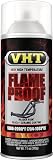 VHT Flameproof CoatingView on Amazon
- 7
 VallejoView on Amazon
- 8
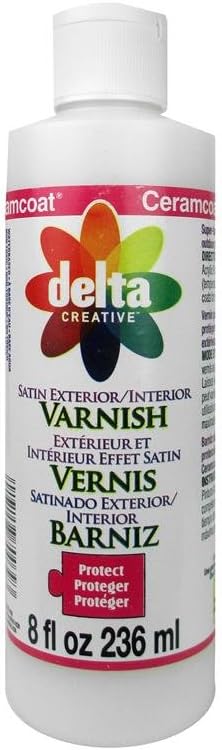 Delta Ceramcoat Satin Finish Exterior/Interior VarnishesView on Amazon
- 9
 SEM 13013 Satin Clear Color CoatView on Amazon
Satin vs gloss clear coat for laser engraving comes down to the look you want: satin softens the shine and shows fingerprints less readily, while gloss deepens contrast and can make engraved details pop. The sections below walk through choosing a finish, matching it to the material, and applying it without ruining the engraving.
Other machines to compare
 Krylon Satin FinishCheck price on Amazon
 Dixie Belle Paint CompanyCheck price on Amazon
 VHT Flameproof CoatingCheck price on Amazon
 VallejoCheck price on Amazon
 Delta Ceramcoat Satin Finish Exterior/Interior VarnishesCheck price on Amazon
 SEM 13013 Satin Clear Color CoatCheck price on Amazon
LaserEngraveHQ earns a commission from purchases made through these links, at no extra cost to you. Read our affiliate disclosure.
We have not applied these coatings ourselves, so this guide compares what each Amazon listing publishes: finish type, stated dry times, coverage and listed uses. Treat any single number as the listing’s claim, not a benchmark.
Step 1: Decide the look in the satin vs gloss clear coat for laser engraving debate
Satin gives a soft, low-sheen finish that suits rustic wood and leather. Gloss gives a reflective finish that suits modern pieces and can make dark engraved lines look deeper, though none of the listings here is a gloss product. The listings here all describe satin finishes: Dixie Belle Clear Coat Satin is a water-based polyacrylic in a 16 oz can, Polar Flawless Lacquer Spray is a satin acrylic in 2x400ml cans, VHT Flameproof is a satin clear for high-temperature metal, and Angelus 4-Coat is a satin urethane for leather in a 1 oz bottle.
Step 2: Match the clear coat to the material
Match the coating to the surface. Dixie Belle lists wood and metal for furniture and chalk paint. Polar lists wood, metal, plastic, glass and unglazed ceramic. VHT lists metal and resists heat up to 2000 deg. F per the listing, suited to headers and exhausts. Angelus lists leather. Using a wood topcoat on leather, or a leather finisher on a hot exhaust, is a mismatch the listings do not support.
Step 3: Prep the engraved surface
Clean the surface before coating. Polar’s listing says to ensure surfaces are clean, dry and free from grease, dust and loose material before spraying. Engraving dust sits in the grooves, so wipe or blow it out first. A dirty surface traps debris under the clear coat.
Step 4: Apply thin coats
Thin coats beat one thick coat. Dixie Belle’s listing says to apply a thin coat, add another after one hour, and add up to 3 very thin coats as necessary. Polar’s listing says to apply light, even coats, 2 to 3 coats for complete coverage, with about 30 minutes between coats. Thick coats tend to run, pool in engraved lines and dry unevenly.
Step 5: Let it dry fully between coats
Respect the stated dry times. Dixie Belle lists a 1-hour dry time, Polar lists 15 to 30 minutes, VHT lists 30 minutes to touch and 1 hour to handle, and Angelus lists 4 hours dry time with 24 hours full dry time. Rushing the next coat can soften the one beneath it.
Dry times and coverage per listing
How long each takes to dry
Dry times run from 30 minutes to 24 hours. The Polar states dry in around 15 to 30 minutes with about 30 minutes between coats. The VHT states dry to touch in 30 minutes and handle in 1 hour, and notes it must be properly cured for maximum performance. The Dixie Belle states a 1 hour dry time with another coat after one hour. The Angelus states 4 hours dry time with a 24 hour full dry time. If the piece ships or stacks the same day, the Polar and VHT dry times win; the Angelus lists a 24 hour full dry time.
Coverage per listing
Stated coverage: the Dixie Belle states 608 sq ft from 16 fl oz, the Polar states up to 2 square meters per 400ml can in a 2-pack, and the VHT states 12 to 14 ft² per can from 11 oz. The Angelus lists leather as its coverage rather than a figure. For a batch of engraved signs, the Dixie Belle’s stated 608 sq ft is the largest coverage figure here; for small leather pieces, the 1 oz Angelus bottle is sized to the job.
Material and finish match
Which material each lists
The Dixie Belle lists wood and metal surfaces, water-based and low VOC. The Polar lists wood, metal, plastic, glass and unglazed ceramic, with UV protection and a non-yellowing formula. The VHT lists metal only, with heat resistance to 2000 deg F for headers, manifolds and exhaust systems. The Angelus lists leather, with a flexible scratch-resistant urethane that does not crack or peel. Match the listing to the engraved material: wood signs suit the Dixie Belle or Polar, metal tumblers the Polar or VHT, leather goods the Angelus.
Satin versus gloss availability
All four picks here are satin. Only the Polar listing states other finishes: available in gloss, satin and matte. If the keyword’s gloss side is what you want, the Polar’s stated gloss option is the only gloss figure in these listings; none of the other three states a gloss version. Satin softens shine on wood signs; gloss deepens contrast on engraved metal.
Common mistakes to avoid
Skipping surface prep is a common mistake: dust in the engraving shows through the finish. Applying thick coats is another: they can pool and crack. Choosing gloss for a rustic piece, or satin where you wanted contrast, is a look that is hard to change without stripping and recoating. Finally, VHT’s listing says the coating needs its stated heat process for maximum performance, so follow those instructions rather than air-drying alone.
Satin vs gloss clear coat for laser engraving: the short version
Pick satin for a soft, forgiving finish on wood and leather; if you want the contrast and pop of gloss, choose a gloss-labeled product and run the same material-match, prep and dry-time checks. Match the coating to the material, prep the surface, apply thin coats, and respect the stated dry times.
FAQ: lasers and CNC
Which clear coat is best for wood?
Dixie Belle Clear Coat Satin lists wood and metal, is water-based, and dries in 1 hour per the listing.
Can I use clear coat on leather?
Angelus 4-Coat lists leather, is scratch resistant, and lists a 24-hour full dry time.
Which handles high heat?
VHT Flameproof lists heat resistance up to 2000 deg. F for metal surfaces.
How many coats should I apply?
Dixie Belle lists up to 3 very thin coats; Polar lists 2 to 3 light coats.
Related: the laser engraver hub, best laser engraver for wood and best clear coat for slate coasters. Also see our laser engraving projects for beginners.