Rigid vs Flexible Duct for Laser: Which One Should You Buy?
Rigid vs flexible duct for laser compared: where each duct type wins for laser exhaust, and three flexible ducts from current listings with stated sizes.

On this page
Top picks at a glance
As an Amazon Associate I earn from qualifying purchases.
- 1
 xTool SafetyPro IF2 2.0 Hyper Flow Inline Duct Fan9.5/10View on Amazon
- 2
 3 Inch Flexible Duct Hose9.4/10View on Amazon
- 3
 Powerful 3 Inch Inline Duct Ventilation Fan AC Vent Blower9.5/10View on Amazon
- 4
 VEVOR 16 FT PVC Flexible Duct Hosing for 12 INCH Exhaust FanView on Amazon
- 5
 White 2 Inch Inline Duct Fan&Adjustable SpeedView on Amazon
- 6
 3 Inch Inline Duct Fan with Variable Speed Controller & PipeView on Amazon
- 7
 3.15”12V DC Exhaust Duct Fan with 2-Pack 3" Square to RoundView on Amazon
For rigid vs flexible duct for laser exhaust, the short answer is this: use rigid duct for the straight, permanent run that carries fumes out of the room, and flexible duct for the short connection between the laser and that run. Rigid duct keeps the air path smooth and holds its shape over long spans, while flexible duct bends around tight corners and installs in minutes. This guide breaks down where each type wins and looks at three flexible ducts from current listings so you can see real sizes and lengths.
Other machines to compare
 VEVOR 16 FT PVC Flexible Duct Hosing for 12 INCH Exhaust FanCheck price on Amazon
 White 2 Inch Inline Duct Fan&Adjustable SpeedCheck price on Amazon
 3 Inch Inline Duct Fan with Variable Speed Controller & PipeCheck price on Amazon
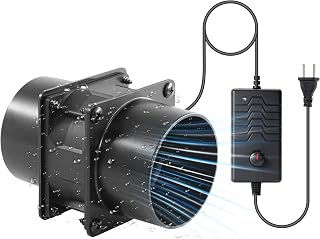 3.15”12V DC Exhaust Duct Fan with 2-Pack 3" Square to RoundCheck price on Amazon
LaserEngraveHQ earns a commission from purchases made through these links, at no extra cost to you. Read our affiliate disclosure.
All three listings covered here are for flexible duct, so the rigid side of this comparison draws on how the two duct types behave in a shop. Every number in this guide comes straight from the three listings.
Rigid vs Flexible Duct for Laser: What Actually Differs
Four things separate the two types: the air path, installation effort, durability and how they handle changes. Rigid duct has a smooth interior, so air moves through it with less resistance over long runs, and it does not sag between supports. Flexible duct has a ribbed, spiral-wire structure that you can bend by hand, which makes it easy to route in tight shops but adds resistance that matters more the longer the run gets. Rigid duct needs cutting, elbows and sealing at every joint; flexible duct uncoils, slides over the port and clamps down.
When Rigid Duct Wins
Choose rigid duct for the permanent part of the exhaust: the run from the wall or window adapter to the outside. Long straight sections, sealed joints and smooth walls keep the air moving and give lint and dust fewer places to settle. If the run crosses a room or rises to a ceiling vent, rigid duct holds its shape without the sagging that can trap debris in a flexible line. Plan the route once, measure twice, and build it to stay.
When Flexible Duct Wins
Choose flexible duct for the connection between the laser and the rigid run, and anywhere the route bends around furniture or a window frame. It bends by hand, slides over the exhaust port and clamps in place, and every listing here states the tube can be shortened or cut to the length you need. That makes it the practical choice for renters, for machines that move between rooms, and for short hops where a rigid assembly would need several elbows. See the fume extractor guide for the filtration side of the same setup.
Three Flexible Ducts From the Listings
The three ducts below are all flexible, ranked here by how well each suits a laser exhaust hookup, based on the listings’ stated specs.
1. AC Infinity 4-inch 8-foot aluminum duct. This one takes the top spot for a typical short hookup. The listing states a 4-inch diameter, an 8-foot length, a 4-layer aluminum-and-thermoplastic build with a steel-wire spiral structure, a flame resistant aluminum inner layer, and two stainless steel 4-inch duct clamps. The tube can be shortened for retrofit projects. One quirk: the spec table lists a 25-foot tube length against the title and bullets, which both say 8 feet, so trust the title and bullets.
2. AC Infinity 6-inch 25-foot aluminum duct. This is the pick when you want the most tube to work with. The listing states a 6-inch diameter, a 25-foot length, the same 4-layer aluminum-and-thermoplastic build with a steel-wire spiral, and two stainless steel 6-inch duct clamps, and the tube can be shortened to the length the hookup needs. Note a listing quirk: the spec table shows the 4-inch model’s number and a 4-inch opening size, which reads as copied from the smaller listing, so trust the title and bullets for the 6-inch size.
3. Hon&Guan 6-inch 16-foot duct with PVC cover. This pack adds a light-blocking black PVC cover over 2 layers of aluminum foil with a PET layer and a steel wire helix, in a 3-layer build. The listing states a 6-inch diameter, a 16-foot length (192 inches in the spec table), a 6.3-inch outside diameter, a weight of 1.6 pounds, a temperature range of -30 to 150 degrees C, and 2 metal clamps, and the tube can be cut into as many pieces as needed with a wire cutter and a paper knife. The maker claims it can decrease fan noise by up to 50 percent, which is the maker’s claim, not a measured figure.
FAQ: lasers and CNC
What size duct do I need for a laser engraver?
The listings here come in 4-inch and 6-inch diameters. Match the duct to your machine’s exhaust port, and check the port size on your machine before ordering, since none of the three listings states which laser it suits.
Can I cut flexible duct to length?
Yes, per the listings. Both AC Infinity listings state the tube can be shortened for retrofit projects, and the Hon&Guan listing states its 16-foot tube can be cut into as many pieces as needed with a wire cutter and a paper knife.
Does flexible duct restrict airflow more than rigid duct?
The listings describe a ribbed, spiral-wire structure, and longer runs add resistance, so keep flexible sections as short and straight as the shop allows. Use rigid duct for the long permanent run and flexible duct for the hookup between the machine and that run.
Is aluminum duct safe for laser exhaust?
The AC Infinity spec tables list a flame resistant aluminum inner layer, which is the maker’s stated spec. Keep the duct run clear of the laser bed, vent fumes outdoors, and never leave a running job unattended.
How long are the ducts in this guide?
The three listings state 8 feet, 25 feet and 16 feet. Since all three can be shortened or cut, buy the length above what you need and trim the excess.
Related: the engraving materials hub and the fume extractor guide. Also see how to choose a laser engraver.