ABC vs CO2 Fire Extinguisher: Which One Should You Buy?
An ABC dry chemical extinguisher covers the fire types a laser can start, while CO2 leaves no residue on electronics; this guide compares the two and lists four ABC picks.

On this page
Top picks at a glance
As an Amazon Associate I earn from qualifying purchases.
- 1
 Strike First ABC Fire Extinguisher 5 lb9.6/10View on Amazon
- 2
 First Alert Fire Extinguisher9.8/10View on Amazon
- 3
 4-Pack ABC Dry Chemical Fire Extinguishers9.6/10View on Amazon
- 4
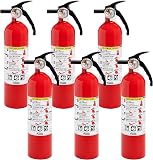 Kidde Basic 110 Fire Extinguisher for HomeView on Amazon
- 5
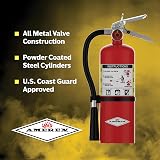 Amerex Fire ExtinguisherView on Amazon
- 6
 Ougist ABC Dry Chemical Fire ExtinguisherView on Amazon
- 7Amerex B500-5 Lb ABC Dry Chemical Portable Fire ExtinguisherView on Amazon
- 8
 ABC Fire Extinguisher for Home & VehicleView on Amazon
- 9
 Amerex B500 5 lb ABC Dry Chemical Fire Extinguisher 2-PackView on Amazon
For a laser workshop, the abc vs co2 fire extinguisher question has a short answer: keep an ABC dry chemical extinguisher within reach of the laser for everyday fire risk, and consider a CO2 unit as a second option if you want a residue-free way to handle electrical fires. ABC powder smothers the ordinary combustibles, flammable liquids and energized equipment a shop can produce; CO2 displaces oxygen and leaves no powder behind. The sections below explain what each type does, where each fits, and which of the four ABC extinguishers in the gear list suits a small shop.
Other machines to compare
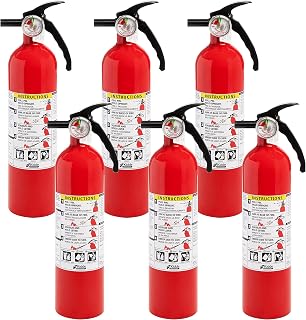 Kidde Basic 110 Fire Extinguisher for HomeCheck price on Amazon
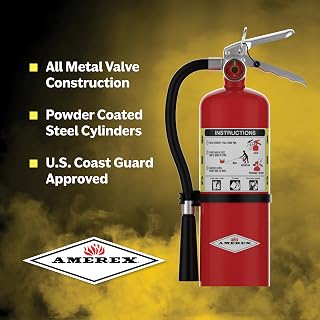 Amerex Fire ExtinguisherCheck price on Amazon
 Ougist ABC Dry Chemical Fire ExtinguisherCheck price on Amazon
- Amerex B500-5 Lb ABC Dry Chemical Portable Fire ExtinguisherCheck price on Amazon
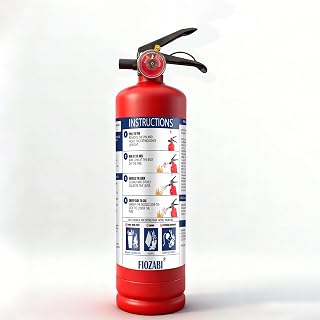 ABC Fire Extinguisher for Home & VehicleCheck price on Amazon
 Amerex B500 5 lb ABC Dry Chemical Fire Extinguisher 2-PackCheck price on Amazon
LaserEngraveHQ earns a commission from purchases made through these links, at no extra cost to you. Read our affiliate disclosure.
All four extinguishers in the gear list below are ABC dry chemical models; no CO2 unit appears among the compared listings. The CO2 side of this guide is general safety background, not a product recommendation.
What an ABC extinguisher does
An ABC extinguisher sprays a dry chemical powder, mono ammonium phosphate, named in the second Amerex listing here, that smothers flames and interrupts the chemical reaction of the fire. The letters stand for the fire classes it covers: Class A for ordinary combustibles like wood and paper, Class B for flammable liquids, and Class C for energized electrical equipment. That range is why the Amerex B500 listing describes use on ordinary combustibles, flammable liquid spills and fires involving live electrical equipment. The trade-off is the residue: the powder gets into everything, and cleanup after a discharge is a real chore around precision gear.
What a CO2 extinguisher does
A CO2 extinguisher discharges cold carbon dioxide gas that pushes oxygen away from the flames, and it leaves no powder or residue behind. It is rated for flammable liquids and electrical fires, not for ordinary combustibles like wood and paper, so it covers a narrower slice of a workshop’s fire risk. The residue-free discharge is the reason shops keep one near electronics and control panels: nothing to clean out of a machine afterward. Because the gas displaces oxygen, a CO2 unit belongs in ventilated space, and you step back to fresh air after a discharge.
ABC vs CO2 fire extinguisher for a laser workspace
A laser shop’s likeliest fire starts in the material: wood, acrylic, paper or fabric catching from the beam, which is a Class A fire that an ABC extinguisher handles and a CO2 unit does not cover as well. Electrical faults in the machine or the dust collector are Class C, where both types work, but only CO2 leaves the electronics clean. That is the whole decision: one ABC extinguisher by the laser covers the everyday risk, and a CO2 unit beside the electronics is the tidy backup. Never leave a running job unattended, and vent engraving fumes outdoors or through a filter made for laser fumes.
The gear: four ABC extinguishers for the shop
Every pick below is an ABC dry chemical extinguisher, ranked from the full-size shop unit down to the compact multi-packs. Two of the listings describe the same Amerex B500 model, so both appear with their own details.
| Extinguisher | Agent | Discharge or range | Valve | Warranty |
|---|---|---|---|---|
| Amerex B500, 5 lb | 5 lb ABC dry chemical | 14 sec discharge | All metal, aluminum | 6 years |
| Buckeye 2.5SA ABC, 2-pack | 2.5 lb ABC per unit | Not stated | Anodized aluminum | Not stated |
| Ougist mini ABC, 4-pack | 1.32 lb ABC per unit | 13 ft range | Not stated | 3-year warranty |
| Amerex B500, second listing | ABC dry chemical | Not stated | All metal | 6 years |
1. Amerex B500, 5 lb. The full-size shop pick: 5 lb of ABC dry chemical, a 14 sec discharge time, all-metal valve construction with an aluminum valve, and a wall bracket in the box. The listing rates it for Class A, B and C fires and states a 6-year warranty. One note: the title’s 5 lb refers to the agent load, while the spec table lists an item weight of 1 pound. Best for: the wall beside the laser.
2. Buckeye 2.5SA ABC, 2-pack. Two 2.5 lb ABC units with anodized aluminum valve assemblies, color-coded gauges that show operating status at a glance, and vehicle brackets for extended service life. The listing rates the agent for Class A, B and C fires; no warranty term is stated. Best for: one in the shop and one in the vehicle.
3. Ougist mini ABC, 4-pack. Four compact 1.32 lb units carrying 600g of ABC powder each, with a listed effective range of up to 13 feet. The maker claims the powder suppresses electrical and car fires 30% faster than water-based options; the listing includes a 3-year warranty, a production date stamp on each unit and round-the-clock support. The spec table’s package quantity of 1 notwithstanding, the title and bullets describe a 4-pack. Best for: kitchens, cars and tight corners where a full-size unit will not fit.
4. Amerex B500, second listing. The same B500 model as the top pick, described here with a drawn steel cylinder, high-gloss polyester powder paint, an all-metal valve and a temperature range of -65F to 120F. The dry chemical is a specially fluidized and siliconized mono ammonium phosphate, and the listing states the same Class A, B and C coverage with a 6-year warranty. Best for: buyers who want the B500 with the widest stated temperature range.
Where to keep it and what to check
Mount the shop unit on the wall within reach of the laser but away from the most likely fire spot, so you can grab it without reaching through flames. The Amerex listing includes a wall bracket; the Buckeye set includes vehicle brackets. Glance at the gauge when you walk past: the Buckeye listing’s color-coded gauges show operating status at a glance, and a needle out of the ready zone means service or replacement. Note the production date stamp, which the Ougist listing stamps on each unit. Only two of the four listings state a warranty term: 6 years on the Amerex units and 3 years on the Ougist set.
Common mistakes to avoid
- Buying only a CO2 unit and having nothing rated for ordinary combustibles.
- Storing the extinguisher across the room from the laser instead of within reach.
- Never checking the gauge until the day you need it.
- Assuming a mini unit matches a full-size one: only the 5 lb Amerex listing states a 14 sec discharge time.
- Skipping ventilation planning because the extinguisher feels like enough.
The short version
- Keep an ABC dry chemical extinguisher within reach of the laser.
- Add a CO2 unit near electronics if you want residue-free coverage.
- Mount it on the wall bracket, check the gauge, note the date stamp.
- Never leave a running job unattended.
FAQ: lasers and CNC
Can I use an ABC extinguisher on a laser fire?
Yes. The fires a laser starts are usually Class A, burning material like wood or acrylic, and ABC powder is rated for Class A as well as B and C. Expect powder residue on everything nearby, which is why some shops add a CO2 unit for the electronics.
Will ABC powder damage my laser?
The powder puts out the fire, but it coats surfaces and gets into moving parts, so a discharge near the machine means a thorough cleanup. A CO2 unit leaves no residue, which is its main advantage around precision gear.
What size extinguisher does a home laser shop need?
The listings here run from 1.32 lb mini units to a 5 lb shop unit with a 14 sec discharge time. The 5 lb Amerex is the largest unit in this gear list and the only one with a stated 14 sec discharge time; the minis suit cars, kitchens and tight corners rather than the main bench.
Is a CO2 extinguisher safe to use indoors?
CO2 pushes oxygen away from the fire, so use it in ventilated space and step back to fresh air after a discharge. It suits electrical fires and flammable liquids, not ordinary combustibles.
Do I still need ventilation if I have an extinguisher?
Yes. An extinguisher puts out flames; it does nothing about the smoke every engraving job produces. Exhaust fumes outdoors or use a filter made for laser fumes, and see our fume extractor guide.
How do I know my extinguisher is still good?
Check that the gauge needle sits in the ready zone, look for the production date stamp, and confirm the warranty term the listing states: 6 years on the Amerex units, 3 years on the Ougist set. A discharged or out-of-date unit needs service or replacement.
Related: the laser safety hub, best fire extinguisher for makerspace and best fire extinguisher for cnc shop. Also see our water mist vs dry chemical fire extinguisher. Also see our best fire blanket for laser engraver. Also see our how to choose a laser engraver. Also see our best laser engraver for small business.