Pine vs Mdf for Laser Engraving: Which One Should You Buy?
Pine vs Mdf for laser engraving compared: how solid pine and MDF boards mark, cut and finish under the beam, plus four pine blanks to practice on.

On this page
Top picks at a glance
As an Amazon Associate I earn from qualifying purchases.
- 1
 Adrattnay 64Pcs Unfinished Wood Coasters9.7/10View on Amazon
- 2
 20 Boards of 12”x 19”9.6/10View on Amazon
- 3
 Officemate 5x9 MDF Boards9.5/10View on Amazon
- 4
 MakerFlo Large Pine Wood Memory Box BlanksView on Amazon
- 5
 3mm 1/8" x 12" x 20" MDF PanelsView on Amazon
- 63mm 1/8" x 12" x 24" MDF PanelsView on Amazon
- 7
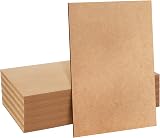 Bucherry 10 Pcs 3 mm MDF BoardView on Amazon
- 8
 6 Pack Colored MDF Boards for Laser EngravingView on Amazon
- 9
 CALPALMY 12-Pack MDF Board 1/4 Inch Thick 12" x 12"View on Amazon
Choose pine for warm, natural boards where the grain becomes part of the design, and where a quick mark or clean cut is all a project needs. Choose MDF for flat, uniform sheets that mark with even contrast, cut the same at every point, and take paint well for finished signs. That is the short answer to pine vs mdf for laser engraving; the rest of this guide walks through how each board behaves under the beam, then shows four pine blanks to practice on.
Other machines to compare
 MakerFlo Large Pine Wood Memory Box BlanksCheck price on Amazon
 3mm 1/8" x 12" x 20" MDF PanelsCheck price on Amazon
- 3mm 1/8" x 12" x 24" MDF PanelsCheck price on Amazon
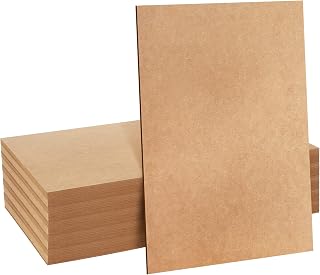 Bucherry 10 Pcs 3 mm MDF BoardCheck price on Amazon
 6 Pack Colored MDF Boards for Laser EngravingCheck price on Amazon
 CALPALMY 12-Pack MDF Board 1/4 Inch Thick 12" x 12"Check price on Amazon
LaserEngraveHQ earns a commission from purchases made through these links, at no extra cost to you. Read the affiliate disclosure on the site.
Pine vs Mdf for laser engraving: how they differ
Pine is a solid softwood, and every mark a laser makes on it interacts with the grain. Light areas of the wood mark darker than dark growth rings, so text and logos pick up a natural, rustic texture. That grain is pine’s charm and its complication: a design that crosses a dark ring can look uneven, and resin in the wood can leave a sticky residue on rails and lenses, so wiping down the machine after pine sessions is part of the routine.
MDF is pressed wood fiber, so it has no grain at all. A laser marks it the same everywhere, which makes fine text and photo-style engraving look cleaner than on pine. It cuts evenly edge to edge, with no knots to stall the beam. The trade-off is dust and fumes: MDF releases more fine dust than solid pine when cut, so ventilation and dust extraction matter more, and masks or respirators belong on the bench for long cutting sessions.
What pine brings to laser projects
Pine is the friendliest board for a beginner to mark. It engraves at modest power, cuts cleanly on a diode laser, and the pale surface takes a dark, readable mark with good contrast. Coasters, signs, boxes and ornaments all start well on pine, and the natural look needs no finish to sell at a market stall.
The listings in this guide show how pine blanks are sold: round coasters, square panels and a hinged memory box, most of them unfinished and ready for the beam. Makers who want a natural product with visible grain will keep reaching for pine, and the boards below give four ways to start practicing on it.
What MDF brings to laser projects
MDF is the predictable board. Because it is uniform, settings that work on one sheet work on the next, which makes it the better pick for repeat production: batch signs, layered art and painted projects where every piece must match. It also paints and seals more evenly than pine, since there is no grain to show through the finish.
Plan the workflow around the dust. Cut MDF with the exhaust running, clean the bed between sessions, and keep the air assist on if the machine has it. Stored flat and dry, MDF sheets stay true; stored on edge in a damp shop, they bow, so rack them flat.
Pine blanks to practice on
All four blanks below are pine, so they mark and cut the way this guide describes. They are listed from the most versatile practice pack to the most specialized project blank.
| Blank | Count | Size | Shape |
|---|---|---|---|
| GOH DODD pine coasters | 60 pieces | 4 x 4 x 0.35 in | Round, one-piece |
| Adrattnay pine coasters | 32 pieces | 4 x 4 x 0.35 in, 9 mm blank | Round, Radiata pine |
| Acrux7 pine squares | 24 pieces | 4 x 4 x 0.4 in | Square panels |
| makerflo pine memory box | Singles or cases of 6 | 11.37 x 11.37 x 4.5 in | Hinged box |
The GOH DODD pack leads for practice: 60 one-piece pine coasters at 4 x 4 x 0.35 in, with no seams or joints to interrupt a design. The listing describes properly dried pine with a smooth pre-sanded surface that needs no extra sanding, plus non-slip pads, and states a 1 year warranty. The 2.29 kg pack weight keeps the whole set easy to store between sessions.
The Adrattnay pack offers 32 round coasters in Radiata pine at the same 4 x 4 x 0.35 in size, with a 9 mm blank and non-slip padding on the back. The maker states a 1 year warranty and lists laser engraving, painting and wood burning among the uses. It is the pick for practicing identical designs across a smaller batch.
The Acrux7 pack moves off the coaster: 24 square pine panels at 4 x 4 x 0.4 in, or 10 x 10 x 1 cm, with a smooth, burr-free surface for art and small signs. The listing names coasters, carvings, tiles and models among the uses. The warranty line only promises an online response within 24 hours, which is not a concrete warranty term.
The makerflo memory box is the project blank: a large pine box at 11.37 x 11.37 x 4.5 in outside and 10.75 x 10.75 x 3.87 in inside, with a hinged lid, front clasp and black felt lining. The listing offers singles or cases of 6 and states the box is ready for laser engraving and UV printing. It suits makers who have outgrown flat practice pieces.
How to choose for your project
Start from the finish. If the project should look like wood, with grain showing around the design, pine is the answer: coasters, ornaments, rustic signs and boxes all wear it well. If the project should look like a clean graphic, with the mark doing all the talking, MDF gives the flatter canvas, and it paints better for colored work.
Then consider the run. One-off gifts and market pieces favor pine, where each board’s grain makes the piece unique. Repeat orders favor MDF, where every sheet behaves the same and settings carry over from batch to batch. Many makers keep both on the shelf and choose per job.
Either way, dial in the settings on a spare piece first: pine’s grain and MDF’s density both reward a short trial pass before committing to the final board.
FAQ: lasers and CNC
Which is easier to laser engrave, pine or MDF?
Pine marks at lower power and shows a warm, high-contrast result, so it is the easier board for a first project. MDF needs a little more care with dust and fumes but marks with very even contrast.
Does pine grain affect engraving quality?
Yes. The laser marks light and dark growth rings differently, so designs crossing dark rings can look uneven. One-piece blanks like the GOH DODD coasters, with no seams or joints, give the most consistent pine surface.
Is MDF safe to laser engrave?
MDF cuts and engraves well, but it produces more fine dust and fumes than solid pine. Run the exhaust, use dust extraction, and wear a respirator for long cutting sessions. Our guide to engraving MDF safely covers the setup.
Can I paint laser-engraved pine or MDF?
Both take paint, and MDF takes it more evenly because it has no grain to show through. The Adrattnay listing names painting among the uses for its pine coasters, and unfinished pine accepts stain well too.
Which board is better for coasters?
Pine, for its natural look and moisture tolerance: the Adrattnay coasters are described as absorbent with non-slip padding. MDF swells if it soaks, so it suits decorative pieces more than drink coasters.
Related: our plywood vs MDF for laser engraving comparison, pine vs spruce for laser engraving, hardwood vs softwood for laser engraving and best wood slices for laser engraving.