Laser Marking Paper vs Spray: Which One Should You Buy?
A detailed comparison of laser marking paper vs spray: compare bonding methods, preparation, cleanup, and material compatibility for workshop projects.

On this page
Top picks at a glance
As an Amazon Associate I earn from qualifying purchases.
- 1
 Deylixay-12Pack 1/8 Thick 12 X 12 Inch 3mm Colored Cast9.4/10View on Amazon
- 2
 Brilliance Laser Inks Permanent Black Metal Laser Marking9.5/10View on Amazon
- 3
 xTool Black Laser Marking Spray9.4/10View on Amazon
- 4
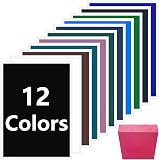 12 Colors Laser Marking Paper for CO2 Diode Engraver GlassView on Amazon
- 5
 4 Pieces Black Laser Engraving Making Paper for GlassView on Amazon
- 6
 4 Pieces Laser Engraving Making Paper for Glass CeramicsView on Amazon
- 7
 4 Pieces Colorful Laser Engraving Making Paper for GlassView on Amazon
- 8
 2 Pieces Laser Engraving Marking Paper 15.3x10.6 Inch LaserView on Amazon
- 9
 2 PCS Laser Engraving Marking Color PaperView on Amazon
Makers personalizing stainless steel drinkware, ceramic tiles, and glassware often hit the limits of their diode or CO2 machines. Choosing between laser marking paper vs spray comes down to your material surface and setup workflow: laser marking spray is the primary solution for bonding durable black marks onto bare metals, while laser marking paper provides colorful transfers on flat glass, ceramics, and stone without aerosol overspray. Both consumables use laser heat to fuse a permanent surface layer onto blanks that hobby machines cannot mark directly.
Other machines to compare
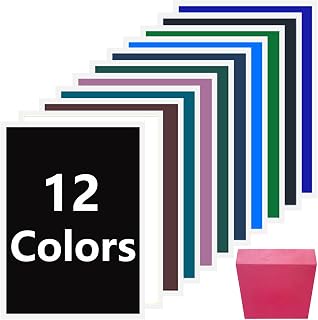 12 Colors Laser Marking Paper for CO2 Diode Engraver GlassCheck price on Amazon
 4 Pieces Black Laser Engraving Making Paper for GlassCheck price on Amazon
 4 Pieces Laser Engraving Making Paper for Glass CeramicsCheck price on Amazon
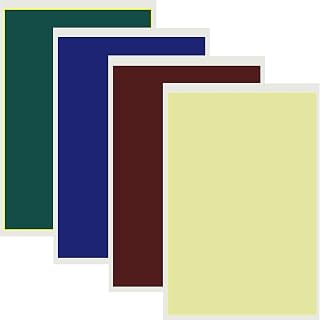 4 Pieces Colorful Laser Engraving Making Paper for GlassCheck price on Amazon
 2 Pieces Laser Engraving Marking Paper 15.3x10.6 Inch LaserCheck price on Amazon
 2 PCS Laser Engraving Marking Color PaperCheck price on Amazon
LaserEngraveHQ earns a commission from purchases made through these links, at no extra cost to you. Read our affiliate disclosure.
Neither marking paper nor marking spray cuts into the base material. Both are surface additives that rely on laser heat to fuse pigment or ceramic compounds onto the blank. If you operate a dedicated fiber laser, you can mark bare metal directly without any additive.
Step 1: Understand how paper and spray create marks
To choose the right consumable, makers must understand how each additive interacts with the laser beam. Laser marking spray contains metal oxides in an evaporative carrier. Sprayed onto a clean metal blank, the laser heat triggers a thermal bonding reaction that fuses the particles into the metal surface, creating a high-contrast black ceramic mark. To see why bare metals require additives under lower-power beams, read our analysis on can a diode laser engrave metal.
In contrast, laser marking color paper works through thermal pigment transfer. The paper consists of a backing carrier sheet coated with an insoluble color pigment layer. The maker soaks the sheet in water to loosen the backing, smooths the wet film onto the target item, and runs the laser. The beam vaporizes the carrier and bakes the pigment into the substrate surface, producing a water-insoluble, scratch-resistant pattern.
Step 2: Check material compatibility for your project
Material selection dictates whether you need paper or spray. Laser marking spray is engineered for bare metals, bonding cleanly to stainless steel, titanium, chrome, aluminum, and brass. For makers engraving stainless drinkware or metal tags, our guide to the best laser marking spray for metal reviews aerosol options that produce crisp marks under diode and CO2 beams.
Laser marking paper excels on non-metallic surfaces like flat glass, ceramic mugs, tableware, and porcelain tiles. Because bare glass fractures under thermal shock, pairing marking paper with proper laser settings for glass produces clean graphics without chipping. Marking paper also supports multiple colors: brand UNIXYZ lists 12 colors for glass and ceramic marking, while brand Obsummoy offers packs with 4 different colors, including black, blue, brownish red, grey, green, and blue purple.
Makers should note listing contradictions regarding metal. While brand Frddiud claims its paper works on metal, ceramics, and glass, brand UNIXYZ states that laser engraved paper is not suitable for metal and leather materials. In practice, paper applied to bare metal yields weak adhesion compared to ceramic spray.
For other substrates, laser marking on plastic and laser marking on rubber plastic require careful trial runs. Laser marking QR codes on rubber products demands sharp edge definition best handled through direct beam absorption. Always observe workshop safety: never laser PVC, vinyl, PVC faux leather, polycarbonate, or ABS. These forbidden polymers generate corrosive hydrogen chloride gas and hazardous fumes that damage optics and workshop air.
Step 3: Compare surface prep and application workflows
Applying laser marking spray is fast but demands ventilation controls. Clean the blank with alcohol to remove oil, shake the can, and apply a light, even coat. The carrier dries within minutes to a chalky finish ready for the laser bed. However, aerosol spraying creates airborne mist, requiring an outdoor station or spray booth to avoid coating shop surfaces.
Applying laser marking paper eliminates overspray but requires wet handling. Brand Obsummoy and brand GrliTra instruct makers to soak the marking paper in water for 1-2 minutes to loosen the color film from its backing paper. The maker cuts the sheet to size, immerses it, smooths it onto the blank color side up, and uses a rubber scraper to press out air bubbles and water pockets. The film must be dried with a paper towel or hair dryer before lasering, as trapped moisture causes uneven transfer.
Sheet sizing also affects batch setup. Brand Frddiud lists paper sheets measuring 15.3 by 10.4 inches. Brand Obsummoy lists sheets measuring 39 by 27 cm (with dimensions listed as 15.35 by 10.63 inches). Brand UNIXYZ lists colored marking paper at 14.17 by 9.84 inches on a base paper measuring 15.35 by 10.63 inches, while brand GrliTra lists sheets at 15.3 by 10.6 inches. For sheet thickness, GrliTra lists 0.01 inches, while Obsummoy lists 0.08 inches. Unlike standard laser 60 lb paper thickness used in office printing, these specialized transfer films feature flexible, water-soluble carrier layers designed for thermal bonding.
Step 4: Laser settings, machine compatibility, and thermal bonding
Both marking aids work across diode lasers, CO2 laser cutters, and fiber systems. Brand UNIXYZ and brand Frddiud state compatibility with diode, CO2, and fiber engravers.
Diode lasers and CO2 lasers reflect off bare, polished metals. Laser marking spray absorbs optical beam energy, converting it into localized heat that fuses ceramic particles into the metal surface. For guidance on focal distance and travel rate on stainless steel, see our walkthrough on how to engrave stainless steel with a diode laser. For industrial jobs requiring large part direct metal laser marking, spray enables standard gantry lasers to mark large plates that cannot fit inside galvo fiber cabinets.
With laser marking paper on glass, ceramic, or stone, optical power fuses pigment into the surface pores. Proper focal height is critical: an out-of-focus beam widens kerf and creates fuzzy edges, while excessive power burns the binder. Always run a small calibration grid on a scrap blank before running client orders.
Vaporizing spray binders and wet paper carriers produces smoke. Operate your laser inside an enclosure connected to an exhaust fan or filter; review our best fume extractor for laser engraver guide to keep shop air clean. Verify that your protective eyewear provides certified optical density for your beam wavelength, following our laser safety glasses guide.
Step 5: Cleanup, durability, and cost per part
After laser marking spray completes its cycle, the blank cools in seconds. Excess spray washes away easily under tap water, leaving a dark ceramic graphic that withstands water, solvents, and dishwasher cleaning on stainless tumblers.
Laser marking paper requires soaking or rinsing in water to soften and peel away the excess paper backing. Once removed, the bonded color pattern remains on the ceramic or glass surface, resisting scratches and moisture. For stone blanks, pairing this process with our guide on how to laser engrave slate produces colorful coasters.
Packaging models also differ. Marking paper arrives in sheet packs: brand Frddiud and brand GrliTra supply 2 pieces per pack, brand Obsummoy offers 4 pieces per package, and brand UNIXYZ provides 5 pieces in a pack with a listed item weight of 11.3 ounces (with Frddiud listing a package weight of 0.06 kg). Makers can cut sheets into smaller patches to minimize cost per blank. Spray cans have a higher initial purchase price but cover dozens of tumblers when applied in thin, disciplined coats.
Common mistakes to avoid with marking paper and spray
- Applying spray too thickly: Heavy coats insulate the metal blank, causing the mark to flake off during the post-wash.
- Leaving air bubbles under transfer paper: Skipping the scraper step leaves trapped air that blisters under the beam and distorts text edges.
- Skipping surface degreasing: Oils and fingerprints prevent spray and paper films from contacting raw metal or glass, resulting in marks that wash off.
- Running jobs while paper is soaking wet: Excess surface water boils under the beam, creating steam that ruins graphic resolution; blot dry before lasering.
- Using paper on bare metal drinkware: Expecting paper to yield durable marks on bare stainless drinkware leads to peeling; use dedicated metal marking spray for bare alloys.
Laser marking paper vs spray: the short version
- 1. Match additive to material: choose marking spray for bare metals like stainless steel, brass, and aluminum; choose marking paper for flat glass, glazed ceramics, and stone.
- 2. Prepare the surface: degrease the blank with alcohol, then apply an even coat of spray or soak paper in water before smoothing it flat.
- 3. Eliminate defects: let spray dry to a chalky finish, or use a rubber scraper to press out every air bubble beneath wet transfer paper.
- 4. Dial in laser settings: run a small calibration shape on scrap stock to confirm optical power and speed before running finished blanks.
- 5. Clean the finished piece: wash the blank in water to remove excess spray powder or lift residual paper backing, revealing the permanent mark.
FAQ: lasers and CNC
What is laser marking paper?
Laser marking paper is a transfer consumable consisting of a water-soluble backing sheet coated with an insoluble color pigment layer. Makers soak the paper in water to release the film, apply it onto glass, ceramic, crystal, or stone blanks, and use laser heat to bond the pigment permanently into the substrate surface.
How to use laser marking spray?
To use laser marking spray, clean the bare metal blank with alcohol to remove oils. Shake the aerosol can thoroughly, apply an even, light coat, and let it dry to a chalky film. Place the coated blank in your laser engraver, run your design, and wash the finished part with water to remove unbonded powder.
What is laser paper type for marking?
Laser marking paper differs fundamentally from ordinary printer paper. While office stationery is categorized by basis weights like laser 60 lb paper thickness, laser marking color paper features a water-release backing carrying a specialized thermal-bonding pigment film. Listing specifications from brand Frddiud describe smooth and uncoated paper types designed specifically to absorb laser energy across diode, CO2, and fiber engravers.
How does laser marking work with paper and spray?
Laser marking with additives relies on thermal bonding rather than material removal. When the laser beam scans across the coated blank, optical energy generates high surface temperatures. In marking spray, this heat fuses metal oxides into the metal matrix to create an indelible ceramic bond. In marking paper, the thermal effect fuses color pigment into the micro-pores of glass or ceramic glaze.
Can you use laser marking paper on metal?
While certain listings like Frddiud suggest multi-material use, brand UNIXYZ explicitly states that laser marking paper is not suitable for metal. In practice, marking paper provides weak adhesion on bare metal surfaces, often peeling or scratching off over time. For durable, high-contrast black marks on bare stainless steel or brass, laser marking spray is the proven workshop choice.
Can laser marking spray work on glass and ceramics?
Certain specialized aerosol formulations are designed for glass and ceramic blanks, but marking paper remains the preferred choice for tableware and glassware. Marking paper eliminates airborne overspray in home workshops and provides vivid multi-color options, such as the 12 colors listed by brand UNIXYZ, which standard black metal sprays cannot produce.
Related: our guide to the best laser marking spray for metal, our walkthrough on how to engrave stainless steel with a diode laser, and the engraving materials hub. Also see our laser settings for glass. Also see our guide on can a diode laser engrave metal.